
Viajes8 minutos de lectura
Todas las publicaciones
Noticias7 minutos de lectura
La IA está ayudando a la gente a ahorrar más dinero
bunq

Todas las publicaciones
Noticias7 minutos de lectura
La IA está ayudando a la gente a ahorrar más dinero
bunq
Todas las publicaciones
Noticias7 minutos de lectura
La IA está ayudando a la gente a ahorrar más dinero
bunq
Índice
La IA en finanzas ya no es algo experimental ni de nicho. Ya forma parte de cómo la gente gestiona su dinero y, en muchos casos, está llevando a un resultado muy práctico: la gente está ahorrando.
Lo que empieza a estar claro, sin embargo, es que no todo el mundo se beneficia de la misma manera. La diferencia no es el acceso a la IA, sino cómo la gente la usa.
Esa es una de las principales conclusiones del AI in Finance Report de bunq. En todos los mercados, el patrón es consistente. Las personas que usan la IA para entender sus finanzas obtienen mejores resultados que quienes la usan principalmente por rapidez o automatización. La IA es más útil cuando ayuda a la gente a dar sentido a su dinero, no solo a completar tareas más rápido.
La claridad sigue siendo la pieza que falta
La mayoría de personas ya tiene acceso a sus datos financieros. Pueden comprobar saldos, revisar movimientos y seguir sus gastos sin mucho esfuerzo.
Lo difícil es entender qué significan realmente esos datos. Saber adónde va el dinero, qué ha cambiado o si algo merece que se actúe al respecto sigue llevando tiempo y atención. Ahí es donde muchos se detienen.
La IA reduce ese esfuerzo. En lugar de revisar los movimientos manualmente, los usuarios pueden hacer preguntas directas y obtener respuestas inmediatas. Pueden comprobar rápidamente cuánto han gastado en una categoría, cómo está cambiando su comportamiento o en qué podrían estar gastando de más.
Esa facilidad de acceso hace algo más que ahorrar tiempo. Cambia cómo la gente usa la información.
La IA deja de ser solo una herramienta para ejecutar decisiones y se convierte más en una forma de explorarlas. La gente la usa para probar escenarios, comparar opciones y ganar confianza antes de actuar. En vez de decidir al instante, hacen preguntas de seguimiento, cuestionan los resultados y afinan su manera de pensar paso a paso.
También crea un espacio en el que la gente se siente más cómoda haciendo preguntas que quizá no plantearía en otro sitio. Los temas financieros pueden ser delicados, y eso suele limitar lo abiertamente que la gente se relaciona con ellos. La IA reduce esa barrera. Da a los usuarios una manera de analizar su situación, explorar diferentes ángulos y prepararse para decisiones o conversaciones que quizá luego llevarán a su vida real.
A medida que ese proceso se vuelve más fácil, aumenta la implicación. Y una implicación más constante suele llevar a mejores resultados.
El cambio de comportamiento importa más que la tecnología
Uno de los hallazgos más interesantes del informe tiene que ver con el comportamiento.
La gente tiende a interactuar con la IA de forma más abierta que con las herramientas financieras tradicionales o con asesores humanos. Hay menos dudas y menos necesidad de filtrar cómo se expresan, lo que lleva a preguntas más directas y una exploración más profunda.
Eso se refleja en cosas sencillas. La gente está más dispuesta a cuestionar sus hábitos de gasto, probar escenarios antes de decidir o admitir cuando algo no está claro. Estos comportamientos llevan a mejores datos de entrada, y mejores datos de entrada llevan a resultados más útiles.
Esto refleja un cambio más amplio. La gente no necesariamente quiere más herramientas financieras. Quiere mejores formas de entender su dinero.
La IA está empezando a convertirse en el lugar donde hacen preguntas primero, no al final. En lugar de bucear en los datos e intentar entender las cosas por su cuenta, empiezan con una pregunta y construyen a partir de ahí. Eso reduce la barrera para interactuar con sus finanzas y hace que el proceso sea más fácil de retomar.
Usos distintos llevan a resultados distintos
El informe agrupa a los usuarios en tres grandes categorías, y las diferencias entre ellas son consistentes.
Los Insight Seekers usan la IA para entender su comportamiento financiero. Buscan patrones, hacen preguntas de seguimiento y tratan de mejorar cómo gestionan su dinero. Este grupo es el que ve los mejores resultados.
Los Time Savers usan la IA para reducir fricciones. Automatizan tareas y dedican menos tiempo al trabajo administrativo. Aunque eso hace las cosas más fáciles, el impacto en el ahorro es más limitado.
Los Cost Cutters se centran en reducir gastos de forma inmediata. Actúan sobre ganancias rápidas sin explorar la visión de conjunto, y son quienes menos mejora ven en general.
El patrón es claro. Las personas que usan la IA para obtener conocimiento sacan más valor que quienes la usan solo para ejecutar tareas.
La IA funciona mejor como apoyo
A menudo se asume que la IA en finanzas trata de sustituir la toma de decisiones. En realidad, la mayoría de la gente no quiere eso.
Lo que quieren es apoyo. Respuestas claras, contexto relevante y la posibilidad de explorar opciones antes de decidir qué hacer. La IA funciona mejor cuando reduce el esfuerzo que implica decidir sin quitarle el control al usuario.
Ese equilibrio es lo que la hace útil.
El diseño tiene un papel más importante de lo esperado
La forma en que se diseña la IA tiene un impacto directo en cómo la gente la usa.
Si la experiencia se siente complicada o rígida, la gente tiende a limitar su uso. Hacen una pregunta, obtienen una respuesta y siguen adelante.
Si se siente intuitiva, participan más. Hacen preguntas de seguimiento, exploran diferentes ángulos y empiezan a usarla como parte de su proceso habitual de toma de decisiones. Con el tiempo, eso lleva a mejores resultados.
La IA debe encajar con la manera en que la gente ya piensa y se comunica. Cuanto más fácil sea de usar, más probable será que se convierta en parte del comportamiento diario.
De función a hábito
La IA está pasando de ser algo que la gente usa de vez en cuando a algo en lo que confía de forma regular.
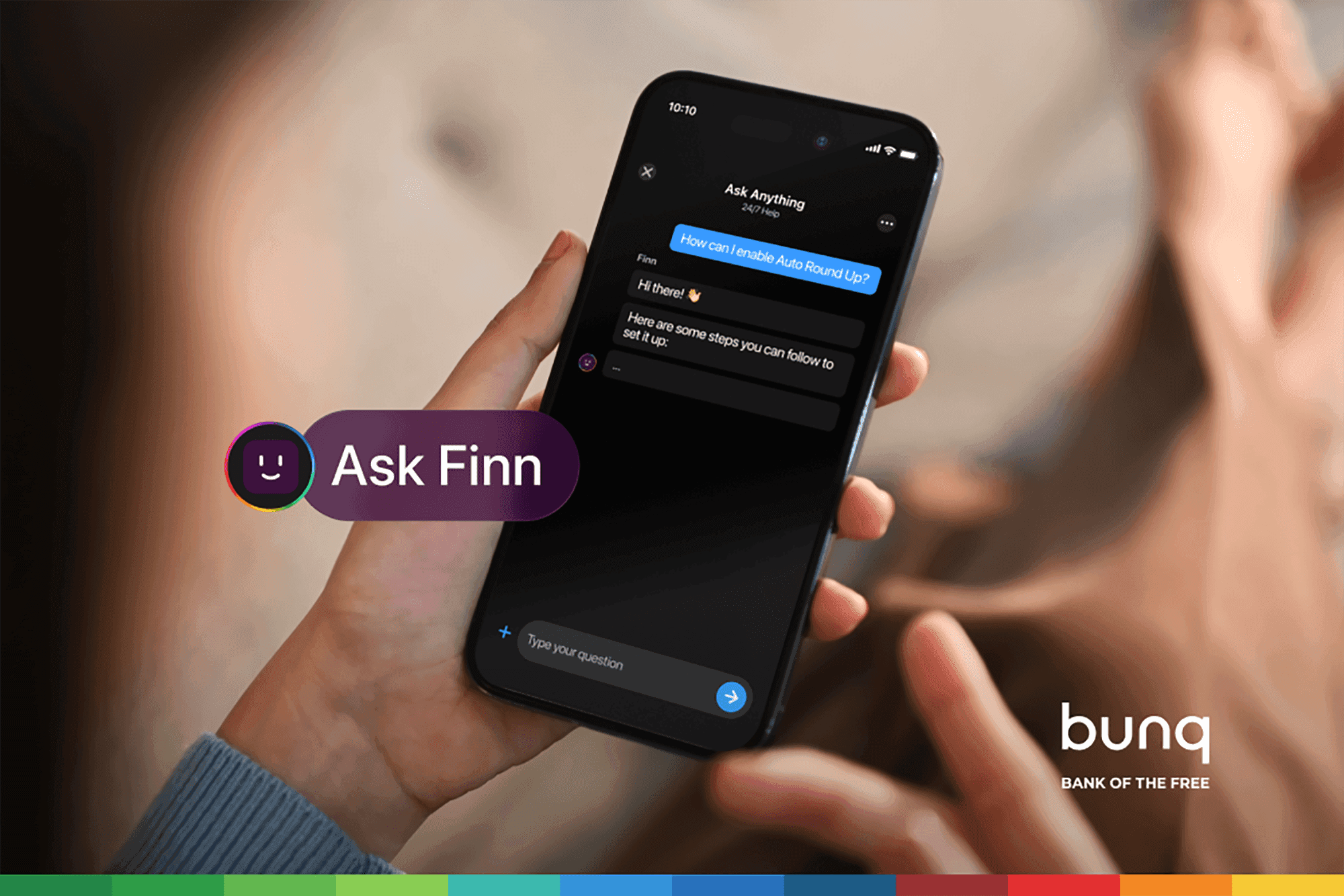
Esta es la dirección que bunq ha seguido con Finn. En lugar de navegar por menús o interpretar datos en bruto, los usuarios pueden interactuar directamente con sus finanzas. Pueden hacer preguntas, recibir respuestas claras y actuar al momento sobre esos conocimientos.
Eso reduce fricciones y aumenta la constancia. Y la constancia es lo que impulsa resultados a largo plazo.
La confianza se construye con el uso
Las preocupaciones sobre la IA en finanzas son válidas. A la gente le importa el uso de sus datos, la precisión y el control.
Lo que muestra el informe, sin embargo, es que la confianza se construye con el tiempo.
Empieza en un nivel funcional. La gente usa la IA porque es útil. Comprueba los resultados, hace preguntas de seguimiento y se mantiene cauta, especialmente en decisiones importantes.
Con el uso repetido, eso cambia. A medida que ven resultados consistentes, confían más en ella e integran la IA en la forma en que piensan sus decisiones financieras.
El contexto también importa. En todos los mercados, el 58% de los encuestados dice que confiaría más en la IA de su banco que en un chatbot genérico. La gente se siente más cómoda cuando la IA está conectada a un sistema que ya usa y entiende.
En la práctica, la confianza no tiene que ver con quitar control, sino con reforzarlo. La gente usa la IA para explorar opciones, validar decisiones y ganar confianza antes de actuar.
Lo que realmente importa
La conversación sobre la IA suele centrarse en lo que podría ser posible en el futuro. Lo que importa más es lo que ya funciona.
El AI in Finance Report analiza comportamientos reales y resultados reales. Muestra cómo la gente está usando la IA hoy, qué espera de ella y dónde está marcando la diferencia.
La conclusión es sencilla. La IA es más útil cuando ayuda a la gente a entender mejor su dinero y a actuar sobre él con menos esfuerzo.
Eso es lo que impulsa resultados. Y eso es lo que va a definir cómo la IA seguirá desarrollándose en finanzas.
Explora el AI in Finance Report para ver cómo la gente está usando la IA para entender, gestionar y hacer crecer mejor su dinero.
Comparte esta publicación
Índice
La IA en finanzas ya no es algo experimental ni de nicho. Ya forma parte de cómo la gente gestiona su dinero y, en muchos casos, está llevando a un resultado muy práctico: la gente está ahorrando.
Lo que empieza a estar claro, sin embargo, es que no todo el mundo se beneficia de la misma manera. La diferencia no es el acceso a la IA, sino cómo la gente la usa.
Esa es una de las principales conclusiones del AI in Finance Report de bunq. En todos los mercados, el patrón es consistente. Las personas que usan la IA para entender sus finanzas obtienen mejores resultados que quienes la usan principalmente por rapidez o automatización. La IA es más útil cuando ayuda a la gente a dar sentido a su dinero, no solo a completar tareas más rápido.
La claridad sigue siendo la pieza que falta
La mayoría de personas ya tiene acceso a sus datos financieros. Pueden comprobar saldos, revisar movimientos y seguir sus gastos sin mucho esfuerzo.
Lo difícil es entender qué significan realmente esos datos. Saber adónde va el dinero, qué ha cambiado o si algo merece que se actúe al respecto sigue llevando tiempo y atención. Ahí es donde muchos se detienen.
La IA reduce ese esfuerzo. En lugar de revisar los movimientos manualmente, los usuarios pueden hacer preguntas directas y obtener respuestas inmediatas. Pueden comprobar rápidamente cuánto han gastado en una categoría, cómo está cambiando su comportamiento o en qué podrían estar gastando de más.
Esa facilidad de acceso hace algo más que ahorrar tiempo. Cambia cómo la gente usa la información.
La IA deja de ser solo una herramienta para ejecutar decisiones y se convierte más en una forma de explorarlas. La gente la usa para probar escenarios, comparar opciones y ganar confianza antes de actuar. En vez de decidir al instante, hacen preguntas de seguimiento, cuestionan los resultados y afinan su manera de pensar paso a paso.
También crea un espacio en el que la gente se siente más cómoda haciendo preguntas que quizá no plantearía en otro sitio. Los temas financieros pueden ser delicados, y eso suele limitar lo abiertamente que la gente se relaciona con ellos. La IA reduce esa barrera. Da a los usuarios una manera de analizar su situación, explorar diferentes ángulos y prepararse para decisiones o conversaciones que quizá luego llevarán a su vida real.
A medida que ese proceso se vuelve más fácil, aumenta la implicación. Y una implicación más constante suele llevar a mejores resultados.
El cambio de comportamiento importa más que la tecnología
Uno de los hallazgos más interesantes del informe tiene que ver con el comportamiento.
La gente tiende a interactuar con la IA de forma más abierta que con las herramientas financieras tradicionales o con asesores humanos. Hay menos dudas y menos necesidad de filtrar cómo se expresan, lo que lleva a preguntas más directas y una exploración más profunda.
Eso se refleja en cosas sencillas. La gente está más dispuesta a cuestionar sus hábitos de gasto, probar escenarios antes de decidir o admitir cuando algo no está claro. Estos comportamientos llevan a mejores datos de entrada, y mejores datos de entrada llevan a resultados más útiles.
Esto refleja un cambio más amplio. La gente no necesariamente quiere más herramientas financieras. Quiere mejores formas de entender su dinero.
La IA está empezando a convertirse en el lugar donde hacen preguntas primero, no al final. En lugar de bucear en los datos e intentar entender las cosas por su cuenta, empiezan con una pregunta y construyen a partir de ahí. Eso reduce la barrera para interactuar con sus finanzas y hace que el proceso sea más fácil de retomar.
Usos distintos llevan a resultados distintos
El informe agrupa a los usuarios en tres grandes categorías, y las diferencias entre ellas son consistentes.
Los Insight Seekers usan la IA para entender su comportamiento financiero. Buscan patrones, hacen preguntas de seguimiento y tratan de mejorar cómo gestionan su dinero. Este grupo es el que ve los mejores resultados.
Los Time Savers usan la IA para reducir fricciones. Automatizan tareas y dedican menos tiempo al trabajo administrativo. Aunque eso hace las cosas más fáciles, el impacto en el ahorro es más limitado.
Los Cost Cutters se centran en reducir gastos de forma inmediata. Actúan sobre ganancias rápidas sin explorar la visión de conjunto, y son quienes menos mejora ven en general.
El patrón es claro. Las personas que usan la IA para obtener conocimiento sacan más valor que quienes la usan solo para ejecutar tareas.
La IA funciona mejor como apoyo
A menudo se asume que la IA en finanzas trata de sustituir la toma de decisiones. En realidad, la mayoría de la gente no quiere eso.
Lo que quieren es apoyo. Respuestas claras, contexto relevante y la posibilidad de explorar opciones antes de decidir qué hacer. La IA funciona mejor cuando reduce el esfuerzo que implica decidir sin quitarle el control al usuario.
Ese equilibrio es lo que la hace útil.
El diseño tiene un papel más importante de lo esperado
La forma en que se diseña la IA tiene un impacto directo en cómo la gente la usa.
Si la experiencia se siente complicada o rígida, la gente tiende a limitar su uso. Hacen una pregunta, obtienen una respuesta y siguen adelante.
Si se siente intuitiva, participan más. Hacen preguntas de seguimiento, exploran diferentes ángulos y empiezan a usarla como parte de su proceso habitual de toma de decisiones. Con el tiempo, eso lleva a mejores resultados.
La IA debe encajar con la manera en que la gente ya piensa y se comunica. Cuanto más fácil sea de usar, más probable será que se convierta en parte del comportamiento diario.
De función a hábito
La IA está pasando de ser algo que la gente usa de vez en cuando a algo en lo que confía de forma regular.
Esta es la dirección que bunq ha seguido con Finn. En lugar de navegar por menús o interpretar datos en bruto, los usuarios pueden interactuar directamente con sus finanzas. Pueden hacer preguntas, recibir respuestas claras y actuar al momento sobre esos conocimientos.
Eso reduce fricciones y aumenta la constancia. Y la constancia es lo que impulsa resultados a largo plazo.
La confianza se construye con el uso
Las preocupaciones sobre la IA en finanzas son válidas. A la gente le importa el uso de sus datos, la precisión y el control.
Lo que muestra el informe, sin embargo, es que la confianza se construye con el tiempo.
Empieza en un nivel funcional. La gente usa la IA porque es útil. Comprueba los resultados, hace preguntas de seguimiento y se mantiene cauta, especialmente en decisiones importantes.
Con el uso repetido, eso cambia. A medida que ven resultados consistentes, confían más en ella e integran la IA en la forma en que piensan sus decisiones financieras.
El contexto también importa. En todos los mercados, el 58% de los encuestados dice que confiaría más en la IA de su banco que en un chatbot genérico. La gente se siente más cómoda cuando la IA está conectada a un sistema que ya usa y entiende.
En la práctica, la confianza no tiene que ver con quitar control, sino con reforzarlo. La gente usa la IA para explorar opciones, validar decisiones y ganar confianza antes de actuar.
Lo que realmente importa
La conversación sobre la IA suele centrarse en lo que podría ser posible en el futuro. Lo que importa más es lo que ya funciona.
El AI in Finance Report analiza comportamientos reales y resultados reales. Muestra cómo la gente está usando la IA hoy, qué espera de ella y dónde está marcando la diferencia.
La conclusión es sencilla. La IA es más útil cuando ayuda a la gente a entender mejor su dinero y a actuar sobre él con menos esfuerzo.
Eso es lo que impulsa resultados. Y eso es lo que va a definir cómo la IA seguirá desarrollándose en finanzas.
Explora el AI in Finance Report para ver cómo la gente está usando la IA para entender, gestionar y hacer crecer mejor su dinero.
Comparte esta publicación
Índice
La IA en finanzas ya no es algo experimental ni de nicho. Ya forma parte de cómo la gente gestiona su dinero y, en muchos casos, está llevando a un resultado muy práctico: la gente está ahorrando.
Lo que empieza a estar claro, sin embargo, es que no todo el mundo se beneficia de la misma manera. La diferencia no es el acceso a la IA, sino cómo la gente la usa.
Esa es una de las principales conclusiones del AI in Finance Report de bunq. En todos los mercados, el patrón es consistente. Las personas que usan la IA para entender sus finanzas obtienen mejores resultados que quienes la usan principalmente por rapidez o automatización. La IA es más útil cuando ayuda a la gente a dar sentido a su dinero, no solo a completar tareas más rápido.
La claridad sigue siendo la pieza que falta
La mayoría de personas ya tiene acceso a sus datos financieros. Pueden comprobar saldos, revisar movimientos y seguir sus gastos sin mucho esfuerzo.
Lo difícil es entender qué significan realmente esos datos. Saber adónde va el dinero, qué ha cambiado o si algo merece que se actúe al respecto sigue llevando tiempo y atención. Ahí es donde muchos se detienen.
La IA reduce ese esfuerzo. En lugar de revisar los movimientos manualmente, los usuarios pueden hacer preguntas directas y obtener respuestas inmediatas. Pueden comprobar rápidamente cuánto han gastado en una categoría, cómo está cambiando su comportamiento o en qué podrían estar gastando de más.
Esa facilidad de acceso hace algo más que ahorrar tiempo. Cambia cómo la gente usa la información.
La IA deja de ser solo una herramienta para ejecutar decisiones y se convierte más en una forma de explorarlas. La gente la usa para probar escenarios, comparar opciones y ganar confianza antes de actuar. En vez de decidir al instante, hacen preguntas de seguimiento, cuestionan los resultados y afinan su manera de pensar paso a paso.
También crea un espacio en el que la gente se siente más cómoda haciendo preguntas que quizá no plantearía en otro sitio. Los temas financieros pueden ser delicados, y eso suele limitar lo abiertamente que la gente se relaciona con ellos. La IA reduce esa barrera. Da a los usuarios una manera de analizar su situación, explorar diferentes ángulos y prepararse para decisiones o conversaciones que quizá luego llevarán a su vida real.
A medida que ese proceso se vuelve más fácil, aumenta la implicación. Y una implicación más constante suele llevar a mejores resultados.
El cambio de comportamiento importa más que la tecnología
Uno de los hallazgos más interesantes del informe tiene que ver con el comportamiento.
La gente tiende a interactuar con la IA de forma más abierta que con las herramientas financieras tradicionales o con asesores humanos. Hay menos dudas y menos necesidad de filtrar cómo se expresan, lo que lleva a preguntas más directas y una exploración más profunda.
Eso se refleja en cosas sencillas. La gente está más dispuesta a cuestionar sus hábitos de gasto, probar escenarios antes de decidir o admitir cuando algo no está claro. Estos comportamientos llevan a mejores datos de entrada, y mejores datos de entrada llevan a resultados más útiles.
Esto refleja un cambio más amplio. La gente no necesariamente quiere más herramientas financieras. Quiere mejores formas de entender su dinero.
La IA está empezando a convertirse en el lugar donde hacen preguntas primero, no al final. En lugar de bucear en los datos e intentar entender las cosas por su cuenta, empiezan con una pregunta y construyen a partir de ahí. Eso reduce la barrera para interactuar con sus finanzas y hace que el proceso sea más fácil de retomar.
Usos distintos llevan a resultados distintos
El informe agrupa a los usuarios en tres grandes categorías, y las diferencias entre ellas son consistentes.
Los Insight Seekers usan la IA para entender su comportamiento financiero. Buscan patrones, hacen preguntas de seguimiento y tratan de mejorar cómo gestionan su dinero. Este grupo es el que ve los mejores resultados.
Los Time Savers usan la IA para reducir fricciones. Automatizan tareas y dedican menos tiempo al trabajo administrativo. Aunque eso hace las cosas más fáciles, el impacto en el ahorro es más limitado.
Los Cost Cutters se centran en reducir gastos de forma inmediata. Actúan sobre ganancias rápidas sin explorar la visión de conjunto, y son quienes menos mejora ven en general.
El patrón es claro. Las personas que usan la IA para obtener conocimiento sacan más valor que quienes la usan solo para ejecutar tareas.
La IA funciona mejor como apoyo
A menudo se asume que la IA en finanzas trata de sustituir la toma de decisiones. En realidad, la mayoría de la gente no quiere eso.
Lo que quieren es apoyo. Respuestas claras, contexto relevante y la posibilidad de explorar opciones antes de decidir qué hacer. La IA funciona mejor cuando reduce el esfuerzo que implica decidir sin quitarle el control al usuario.
Ese equilibrio es lo que la hace útil.
El diseño tiene un papel más importante de lo esperado
La forma en que se diseña la IA tiene un impacto directo en cómo la gente la usa.
Si la experiencia se siente complicada o rígida, la gente tiende a limitar su uso. Hacen una pregunta, obtienen una respuesta y siguen adelante.
Si se siente intuitiva, participan más. Hacen preguntas de seguimiento, exploran diferentes ángulos y empiezan a usarla como parte de su proceso habitual de toma de decisiones. Con el tiempo, eso lleva a mejores resultados.
La IA debe encajar con la manera en que la gente ya piensa y se comunica. Cuanto más fácil sea de usar, más probable será que se convierta en parte del comportamiento diario.
De función a hábito
La IA está pasando de ser algo que la gente usa de vez en cuando a algo en lo que confía de forma regular.
Esta es la dirección que bunq ha seguido con Finn. En lugar de navegar por menús o interpretar datos en bruto, los usuarios pueden interactuar directamente con sus finanzas. Pueden hacer preguntas, recibir respuestas claras y actuar al momento sobre esos conocimientos.
Eso reduce fricciones y aumenta la constancia. Y la constancia es lo que impulsa resultados a largo plazo.
La confianza se construye con el uso
Las preocupaciones sobre la IA en finanzas son válidas. A la gente le importa el uso de sus datos, la precisión y el control.
Lo que muestra el informe, sin embargo, es que la confianza se construye con el tiempo.
Empieza en un nivel funcional. La gente usa la IA porque es útil. Comprueba los resultados, hace preguntas de seguimiento y se mantiene cauta, especialmente en decisiones importantes.
Con el uso repetido, eso cambia. A medida que ven resultados consistentes, confían más en ella e integran la IA en la forma en que piensan sus decisiones financieras.
El contexto también importa. En todos los mercados, el 58% de los encuestados dice que confiaría más en la IA de su banco que en un chatbot genérico. La gente se siente más cómoda cuando la IA está conectada a un sistema que ya usa y entiende.
En la práctica, la confianza no tiene que ver con quitar control, sino con reforzarlo. La gente usa la IA para explorar opciones, validar decisiones y ganar confianza antes de actuar.
Lo que realmente importa
La conversación sobre la IA suele centrarse en lo que podría ser posible en el futuro. Lo que importa más es lo que ya funciona.
El AI in Finance Report analiza comportamientos reales y resultados reales. Muestra cómo la gente está usando la IA hoy, qué espera de ella y dónde está marcando la diferencia.
La conclusión es sencilla. La IA es más útil cuando ayuda a la gente a entender mejor su dinero y a actuar sobre él con menos esfuerzo.
Eso es lo que impulsa resultados. Y eso es lo que va a definir cómo la IA seguirá desarrollándose en finanzas.
Explora el AI in Finance Report para ver cómo la gente está usando la IA para entender, gestionar y hacer crecer mejor su dinero.
Comparte esta publicación
Lecturas relacionadas
Explora más consejos e historias de bunq.


Lecturas relacionadas
Explora más consejos e historias de bunq.
Lecturas relacionadas
Explora más consejos e historias de bunq.
¿Listo para una banca más fácil?
Descubre cómo la IA ayuda a ahorrar dinero: úsala para obtener información financiera y tomar mejores decisiones con resultados reales.
¿Listo para una banca más fácil?
Descubre cómo la IA ayuda a ahorrar dinero: úsala para obtener información financiera y tomar mejores decisiones con resultados reales.
¿Listo para una banca más fácil?
Descubre cómo la IA ayuda a ahorrar dinero: úsala para obtener información financiera y tomar mejores decisiones con resultados reales.