
Viajes8 minutos de lectura
Mudarse a Irlanda desde EE. UU.: visados, dinero y banca para expats
Todo para los expats de EE. UU. que se mudan a Irlanda: visados, coste de vida, impuestos, sanidad y cómo abrir una cuenta irlandesa antes de llegar.
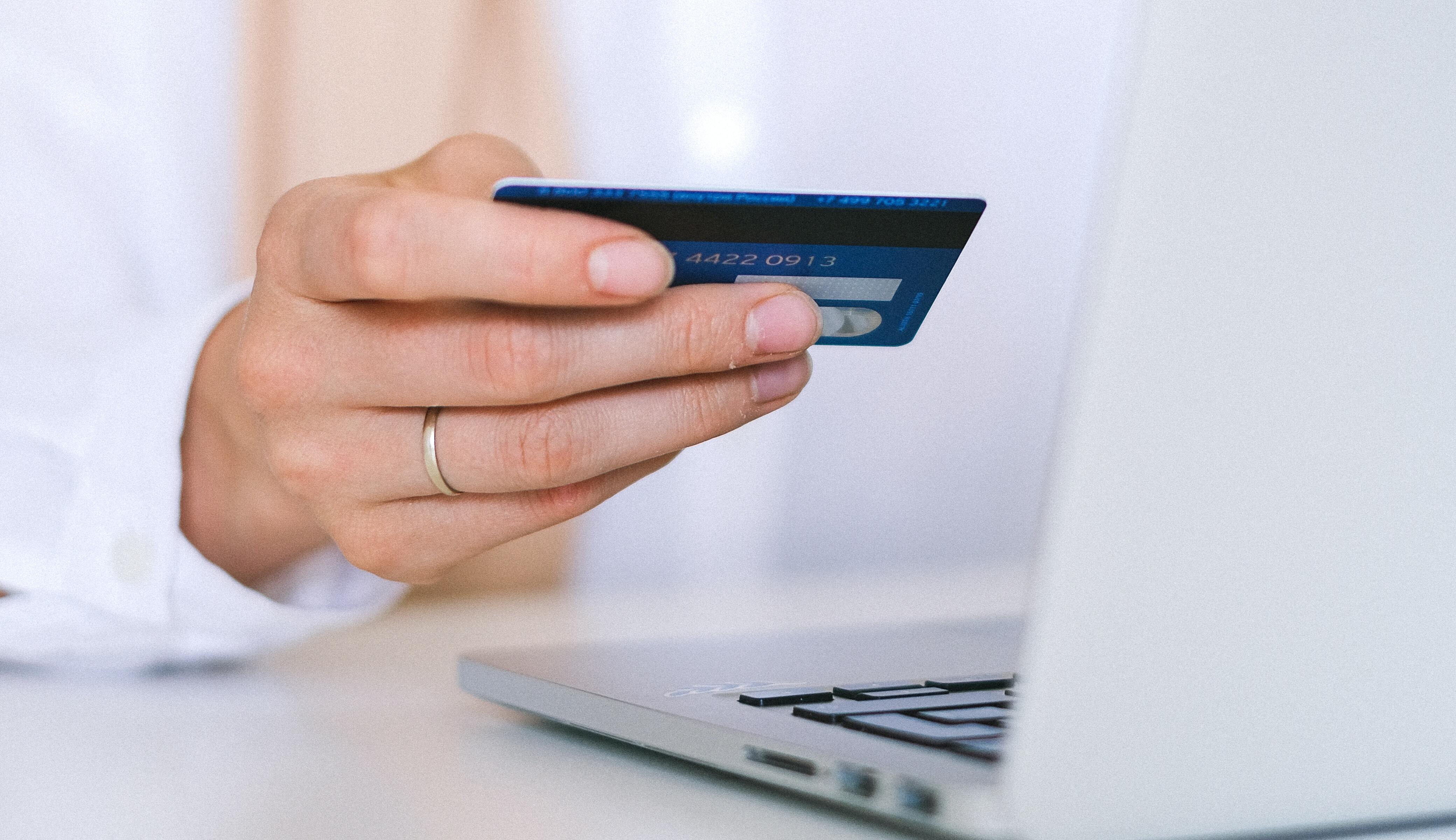
Cuando pagas online, normalmente te piden algunos datos de tu tarjeta: tu número de tarjeta, la fecha de caducidad y el número CVV. Es un código pequeño, pero tiene un papel importante a la hora de hacer que los pagos con tarjeta sean más seguros.
El CVV, abreviatura de card verification value, ayuda a confirmar que tienes la tarjeta física contigo cuando haces un pago online o por teléfono. Ese paso adicional dificulta que alguien use los datos de tu tarjeta sin permiso.
Vamos a ver qué es el número CVV, dónde encontrarlo y cómo mantenerlo seguro.
Un número CVV es un código de seguridad de 3 o 4 dígitos que aparece en la mayoría de tarjetas de débito y Tarjetas. CVV significa card verification value, pero también puedes verlo como CVV code, CVV security code, card security code o card verification number.
El nombre puede cambiar según el proveedor de la tarjeta, pero la finalidad es la misma: ayudar a verificar que tienes la tarjeta contigo cuando haces ciertos pagos.
La mayoría de tarjetas Visa, Mastercard y Discover usan un CVV de 3 dígitos. American Express suele usar un código de 4 dígitos.
El CVV de una tarjeta de débito es el código de seguridad que se usa para ayudar a proteger los pagos online y remotos. Funciona de forma similar al CVV de una Tarjeta.
Cuando usas tu tarjeta de débito en una tienda, normalmente confirmas el pago acercando, introduciendo o pasando la tarjeta. Cuando compras online, el comercio no puede comprobar físicamente la tarjeta. Por eso puede que te pidan tu código CVV.
Esto ayuda a confirmar que no solo estás introduciendo un número de tarjeta, sino que además tienes acceso a la tarjeta en sí. Para tus gastos diarios, las bunq Credit Cards te dan formas flexibles de pagar online, en tiendas y en el extranjero, manteniendo el control desde la app.
Normalmente puedes encontrar tu código CVV en la parte trasera de tu tarjeta de débito o Tarjeta, cerca de la banda de firma. Suele ser el número de 3 dígitos impreso en el lado derecho.
Algunas tarjetas muestran el CVV en la parte delantera. Por ejemplo, las tarjetas American Express suelen mostrar un CVV de 4 dígitos en la parte frontal de la tarjeta.
En el caso de las tarjetas virtuales, el CVV puede mostrarse en tu app bancaria. Con bunq, tus tarjetas viven junto a tus Cuentas Bancarias, pagos y herramientas de presupuesto, para que tu dinero siga siendo fácil de gestionar desde un solo lugar.
Un número CVV se usa principalmente para pagos con tarjeta no presente. Son pagos en los que el comercio no ve físicamente tu tarjeta, como compras online, en apps, por teléfono o pedidos por correo.
Cuando un comercio te solicita tu CVV security code, ayuda a comprobar que tienes la tarjeta contigo. Es una capa más de protección además de tu número de tarjeta y la fecha de caducidad.
Un número CVV no hace que el fraude sea imposible, pero sí hace que los datos robados de la tarjeta sean menos útiles por sí solos. Si alguien solo tiene tu número de tarjeta y la fecha de caducidad, puede que no pueda completar un pago que requiera el código CVV.
Tu CVV security code es importante porque ayuda a protegerte cuando tu tarjeta física no se está comprobando.
Ayuda en 3 cosas:
Confirmar que tienes la tarjeta contigo
Reducir el riesgo de pagos online no autorizados
Añadir una capa extra de seguridad a las transacciones remotas
Es especialmente útil para compras online, suscripciones, reservas de viaje y otros pagos digitales donde se introducen manualmente los datos de la tarjeta. Para más protección en tu día a día bancario, las extra safety features de bunq te ayudan a detectar actividad rápidamente y mantener el control.
Los comercios suelen poder almacenar algunos datos de la tarjeta, como tu nombre o el número de tarjeta, si les permites guardar tu tarjeta para pagos futuros. No deberían almacenar tu número CVV después de que el pago haya sido autorizado.
Por eso puede que te pidan que introduzcas tu código CVV otra vez, incluso cuando una web ya recuerda tu tarjeta. Puede parecer un paso extra, pero ayuda a mantener más seguros tus datos de pago.
Puede que tengas que usar tu código CVV cuando:
Haces compras online
Pagas en una app
Reservas viajes o alojamiento
Configuras una suscripción
Pagas por teléfono
Normalmente no tendrás que introducir tu CVV cuando pagas en tiendas físicas. En esos casos, el terminal lee la tarjeta directamente y puedes confirmar el pago con tu PIN, huella dactilar, reconocimiento facial u otro método de autenticación.
Aquí es donde la biometric security puede hacer que tu experiencia bancaria diaria sea más segura y sencilla, especialmente cuando gestionas tu dinero desde el teléfono.
Tu número CVV es delicado, así que trátalo como el resto de los datos de tu tarjeta. Unos cuantos hábitos simples pueden ayudar a reducir el riesgo:
Revisa tu cuenta con frecuencia
Consulta tus transacciones a menudo. Si ves un pago que no reconoces, repórtalo lo antes posible.
No compartas los datos de la tarjeta
Evita enviar fotos de tu tarjeta o compartir tu código CVV por mensaje de texto, email o redes sociales.
Usa redes seguras
Intenta no introducir datos de la tarjeta en redes Wi-Fi públicas. Si necesitas pagar mientras viajas, usa una red de confianza siempre que puedas.
Compra en webs seguras
Comprueba que la dirección de la web comienza por “https” antes de introducir tus datos de pago.
Usa comercios de confianza
Si una tienda te resulta desconocida, tómate un momento para revisar opiniones, datos de contacto y la propia web antes de compartir la información de tu tarjeta.
Protege tus dispositivos
Usa un código de acceso fuerte, huella dactilar o reconocimiento facial en tu teléfono, tablet y portátil.
Mantente alerta cuando viajes
Cuando estás en el extranjero, la seguridad de la tarjeta importa aún más. Unos cuantos hábitos de seguridad al viajar pueden ayudar a proteger tu dinero mientras te desplazas.
Si tu número CVV, el número de tarjeta o todos los datos de la tarjeta se han compartido en algún lugar poco seguro, actúa rápido.
Congela o bloquea la tarjeta si tu banco lo permite
Revisa las transacciones recientes
Informa de los pagos sospechosos
Contacta con tu banco o proveedor de la tarjeta
Pide una tarjeta de sustitución si es necesario
Con bunq, puedes congelar y gestionar tu tarjeta desde la app, lo que te ayuda a reaccionar rápido si algo no te encaja. Para tener una visión más amplia de cómo funciona la seguridad en bunq, keeping your money safe empieza con controles sencillos, visibilidad clara y acción rápida cuando la necesitas.
Un número CVV es un pequeño código de seguridad que ayuda a proteger tu tarjeta de débito o Tarjeta durante los pagos online y remotos. Confirma que tienes la tarjeta contigo y ofrece a los comercios una forma extra de reducir las transacciones no autorizadas.
Saber dónde encontrar tu código CVV, cuándo usarlo y cómo mantenerlo seguro puede ayudarte a comprar online con más confianza.
¿Quieres más control sobre cómo pagas? Descubre las bunq Credit Cards y gestiona tus tarjetas directamente desde la app bunq.
Comparte esta publicación
Cuando pagas online, normalmente te piden algunos datos de tu tarjeta: tu número de tarjeta, la fecha de caducidad y el número CVV. Es un código pequeño, pero tiene un papel importante a la hora de hacer que los pagos con tarjeta sean más seguros.
El CVV, abreviatura de card verification value, ayuda a confirmar que tienes la tarjeta física contigo cuando haces un pago online o por teléfono. Ese paso adicional dificulta que alguien use los datos de tu tarjeta sin permiso.
Vamos a ver qué es el número CVV, dónde encontrarlo y cómo mantenerlo seguro.
Un número CVV es un código de seguridad de 3 o 4 dígitos que aparece en la mayoría de tarjetas de débito y Tarjetas. CVV significa card verification value, pero también puedes verlo como CVV code, CVV security code, card security code o card verification number.
El nombre puede cambiar según el proveedor de la tarjeta, pero la finalidad es la misma: ayudar a verificar que tienes la tarjeta contigo cuando haces ciertos pagos.
La mayoría de tarjetas Visa, Mastercard y Discover usan un CVV de 3 dígitos. American Express suele usar un código de 4 dígitos.
El CVV de una tarjeta de débito es el código de seguridad que se usa para ayudar a proteger los pagos online y remotos. Funciona de forma similar al CVV de una Tarjeta.
Cuando usas tu tarjeta de débito en una tienda, normalmente confirmas el pago acercando, introduciendo o pasando la tarjeta. Cuando compras online, el comercio no puede comprobar físicamente la tarjeta. Por eso puede que te pidan tu código CVV.
Esto ayuda a confirmar que no solo estás introduciendo un número de tarjeta, sino que además tienes acceso a la tarjeta en sí. Para tus gastos diarios, las bunq Credit Cards te dan formas flexibles de pagar online, en tiendas y en el extranjero, manteniendo el control desde la app.
Normalmente puedes encontrar tu código CVV en la parte trasera de tu tarjeta de débito o Tarjeta, cerca de la banda de firma. Suele ser el número de 3 dígitos impreso en el lado derecho.
Algunas tarjetas muestran el CVV en la parte delantera. Por ejemplo, las tarjetas American Express suelen mostrar un CVV de 4 dígitos en la parte frontal de la tarjeta.
En el caso de las tarjetas virtuales, el CVV puede mostrarse en tu app bancaria. Con bunq, tus tarjetas viven junto a tus Cuentas Bancarias, pagos y herramientas de presupuesto, para que tu dinero siga siendo fácil de gestionar desde un solo lugar.
Un número CVV se usa principalmente para pagos con tarjeta no presente. Son pagos en los que el comercio no ve físicamente tu tarjeta, como compras online, en apps, por teléfono o pedidos por correo.
Cuando un comercio te solicita tu CVV security code, ayuda a comprobar que tienes la tarjeta contigo. Es una capa más de protección además de tu número de tarjeta y la fecha de caducidad.
Un número CVV no hace que el fraude sea imposible, pero sí hace que los datos robados de la tarjeta sean menos útiles por sí solos. Si alguien solo tiene tu número de tarjeta y la fecha de caducidad, puede que no pueda completar un pago que requiera el código CVV.
Tu CVV security code es importante porque ayuda a protegerte cuando tu tarjeta física no se está comprobando.
Ayuda en 3 cosas:
Confirmar que tienes la tarjeta contigo
Reducir el riesgo de pagos online no autorizados
Añadir una capa extra de seguridad a las transacciones remotas
Es especialmente útil para compras online, suscripciones, reservas de viaje y otros pagos digitales donde se introducen manualmente los datos de la tarjeta. Para más protección en tu día a día bancario, las extra safety features de bunq te ayudan a detectar actividad rápidamente y mantener el control.
Los comercios suelen poder almacenar algunos datos de la tarjeta, como tu nombre o el número de tarjeta, si les permites guardar tu tarjeta para pagos futuros. No deberían almacenar tu número CVV después de que el pago haya sido autorizado.
Por eso puede que te pidan que introduzcas tu código CVV otra vez, incluso cuando una web ya recuerda tu tarjeta. Puede parecer un paso extra, pero ayuda a mantener más seguros tus datos de pago.
Puede que tengas que usar tu código CVV cuando:
Haces compras online
Pagas en una app
Reservas viajes o alojamiento
Configuras una suscripción
Pagas por teléfono
Normalmente no tendrás que introducir tu CVV cuando pagas en tiendas físicas. En esos casos, el terminal lee la tarjeta directamente y puedes confirmar el pago con tu PIN, huella dactilar, reconocimiento facial u otro método de autenticación.
Aquí es donde la biometric security puede hacer que tu experiencia bancaria diaria sea más segura y sencilla, especialmente cuando gestionas tu dinero desde el teléfono.
Tu número CVV es delicado, así que trátalo como el resto de los datos de tu tarjeta. Unos cuantos hábitos simples pueden ayudar a reducir el riesgo:
Revisa tu cuenta con frecuencia
Consulta tus transacciones a menudo. Si ves un pago que no reconoces, repórtalo lo antes posible.
No compartas los datos de la tarjeta
Evita enviar fotos de tu tarjeta o compartir tu código CVV por mensaje de texto, email o redes sociales.
Usa redes seguras
Intenta no introducir datos de la tarjeta en redes Wi-Fi públicas. Si necesitas pagar mientras viajas, usa una red de confianza siempre que puedas.
Compra en webs seguras
Comprueba que la dirección de la web comienza por “https” antes de introducir tus datos de pago.
Usa comercios de confianza
Si una tienda te resulta desconocida, tómate un momento para revisar opiniones, datos de contacto y la propia web antes de compartir la información de tu tarjeta.
Protege tus dispositivos
Usa un código de acceso fuerte, huella dactilar o reconocimiento facial en tu teléfono, tablet y portátil.
Mantente alerta cuando viajes
Cuando estás en el extranjero, la seguridad de la tarjeta importa aún más. Unos cuantos hábitos de seguridad al viajar pueden ayudar a proteger tu dinero mientras te desplazas.
Si tu número CVV, el número de tarjeta o todos los datos de la tarjeta se han compartido en algún lugar poco seguro, actúa rápido.
Congela o bloquea la tarjeta si tu banco lo permite
Revisa las transacciones recientes
Informa de los pagos sospechosos
Contacta con tu banco o proveedor de la tarjeta
Pide una tarjeta de sustitución si es necesario
Con bunq, puedes congelar y gestionar tu tarjeta desde la app, lo que te ayuda a reaccionar rápido si algo no te encaja. Para tener una visión más amplia de cómo funciona la seguridad en bunq, keeping your money safe empieza con controles sencillos, visibilidad clara y acción rápida cuando la necesitas.
Un número CVV es un pequeño código de seguridad que ayuda a proteger tu tarjeta de débito o Tarjeta durante los pagos online y remotos. Confirma que tienes la tarjeta contigo y ofrece a los comercios una forma extra de reducir las transacciones no autorizadas.
Saber dónde encontrar tu código CVV, cuándo usarlo y cómo mantenerlo seguro puede ayudarte a comprar online con más confianza.
¿Quieres más control sobre cómo pagas? Descubre las bunq Credit Cards y gestiona tus tarjetas directamente desde la app bunq.
Comparte esta publicación
Cuando pagas online, normalmente te piden algunos datos de tu tarjeta: tu número de tarjeta, la fecha de caducidad y el número CVV. Es un código pequeño, pero tiene un papel importante a la hora de hacer que los pagos con tarjeta sean más seguros.
El CVV, abreviatura de card verification value, ayuda a confirmar que tienes la tarjeta física contigo cuando haces un pago online o por teléfono. Ese paso adicional dificulta que alguien use los datos de tu tarjeta sin permiso.
Vamos a ver qué es el número CVV, dónde encontrarlo y cómo mantenerlo seguro.
Un número CVV es un código de seguridad de 3 o 4 dígitos que aparece en la mayoría de tarjetas de débito y Tarjetas. CVV significa card verification value, pero también puedes verlo como CVV code, CVV security code, card security code o card verification number.
El nombre puede cambiar según el proveedor de la tarjeta, pero la finalidad es la misma: ayudar a verificar que tienes la tarjeta contigo cuando haces ciertos pagos.
La mayoría de tarjetas Visa, Mastercard y Discover usan un CVV de 3 dígitos. American Express suele usar un código de 4 dígitos.
El CVV de una tarjeta de débito es el código de seguridad que se usa para ayudar a proteger los pagos online y remotos. Funciona de forma similar al CVV de una Tarjeta.
Cuando usas tu tarjeta de débito en una tienda, normalmente confirmas el pago acercando, introduciendo o pasando la tarjeta. Cuando compras online, el comercio no puede comprobar físicamente la tarjeta. Por eso puede que te pidan tu código CVV.
Esto ayuda a confirmar que no solo estás introduciendo un número de tarjeta, sino que además tienes acceso a la tarjeta en sí. Para tus gastos diarios, las bunq Credit Cards te dan formas flexibles de pagar online, en tiendas y en el extranjero, manteniendo el control desde la app.
Normalmente puedes encontrar tu código CVV en la parte trasera de tu tarjeta de débito o Tarjeta, cerca de la banda de firma. Suele ser el número de 3 dígitos impreso en el lado derecho.
Algunas tarjetas muestran el CVV en la parte delantera. Por ejemplo, las tarjetas American Express suelen mostrar un CVV de 4 dígitos en la parte frontal de la tarjeta.
En el caso de las tarjetas virtuales, el CVV puede mostrarse en tu app bancaria. Con bunq, tus tarjetas viven junto a tus Cuentas Bancarias, pagos y herramientas de presupuesto, para que tu dinero siga siendo fácil de gestionar desde un solo lugar.
Un número CVV se usa principalmente para pagos con tarjeta no presente. Son pagos en los que el comercio no ve físicamente tu tarjeta, como compras online, en apps, por teléfono o pedidos por correo.
Cuando un comercio te solicita tu CVV security code, ayuda a comprobar que tienes la tarjeta contigo. Es una capa más de protección además de tu número de tarjeta y la fecha de caducidad.
Un número CVV no hace que el fraude sea imposible, pero sí hace que los datos robados de la tarjeta sean menos útiles por sí solos. Si alguien solo tiene tu número de tarjeta y la fecha de caducidad, puede que no pueda completar un pago que requiera el código CVV.
Tu CVV security code es importante porque ayuda a protegerte cuando tu tarjeta física no se está comprobando.
Ayuda en 3 cosas:
Confirmar que tienes la tarjeta contigo
Reducir el riesgo de pagos online no autorizados
Añadir una capa extra de seguridad a las transacciones remotas
Es especialmente útil para compras online, suscripciones, reservas de viaje y otros pagos digitales donde se introducen manualmente los datos de la tarjeta. Para más protección en tu día a día bancario, las extra safety features de bunq te ayudan a detectar actividad rápidamente y mantener el control.
Los comercios suelen poder almacenar algunos datos de la tarjeta, como tu nombre o el número de tarjeta, si les permites guardar tu tarjeta para pagos futuros. No deberían almacenar tu número CVV después de que el pago haya sido autorizado.
Por eso puede que te pidan que introduzcas tu código CVV otra vez, incluso cuando una web ya recuerda tu tarjeta. Puede parecer un paso extra, pero ayuda a mantener más seguros tus datos de pago.
Puede que tengas que usar tu código CVV cuando:
Haces compras online
Pagas en una app
Reservas viajes o alojamiento
Configuras una suscripción
Pagas por teléfono
Normalmente no tendrás que introducir tu CVV cuando pagas en tiendas físicas. En esos casos, el terminal lee la tarjeta directamente y puedes confirmar el pago con tu PIN, huella dactilar, reconocimiento facial u otro método de autenticación.
Aquí es donde la biometric security puede hacer que tu experiencia bancaria diaria sea más segura y sencilla, especialmente cuando gestionas tu dinero desde el teléfono.
Tu número CVV es delicado, así que trátalo como el resto de los datos de tu tarjeta. Unos cuantos hábitos simples pueden ayudar a reducir el riesgo:
Revisa tu cuenta con frecuencia
Consulta tus transacciones a menudo. Si ves un pago que no reconoces, repórtalo lo antes posible.
No compartas los datos de la tarjeta
Evita enviar fotos de tu tarjeta o compartir tu código CVV por mensaje de texto, email o redes sociales.
Usa redes seguras
Intenta no introducir datos de la tarjeta en redes Wi-Fi públicas. Si necesitas pagar mientras viajas, usa una red de confianza siempre que puedas.
Compra en webs seguras
Comprueba que la dirección de la web comienza por “https” antes de introducir tus datos de pago.
Usa comercios de confianza
Si una tienda te resulta desconocida, tómate un momento para revisar opiniones, datos de contacto y la propia web antes de compartir la información de tu tarjeta.
Protege tus dispositivos
Usa un código de acceso fuerte, huella dactilar o reconocimiento facial en tu teléfono, tablet y portátil.
Mantente alerta cuando viajes
Cuando estás en el extranjero, la seguridad de la tarjeta importa aún más. Unos cuantos hábitos de seguridad al viajar pueden ayudar a proteger tu dinero mientras te desplazas.
Si tu número CVV, el número de tarjeta o todos los datos de la tarjeta se han compartido en algún lugar poco seguro, actúa rápido.
Congela o bloquea la tarjeta si tu banco lo permite
Revisa las transacciones recientes
Informa de los pagos sospechosos
Contacta con tu banco o proveedor de la tarjeta
Pide una tarjeta de sustitución si es necesario
Con bunq, puedes congelar y gestionar tu tarjeta desde la app, lo que te ayuda a reaccionar rápido si algo no te encaja. Para tener una visión más amplia de cómo funciona la seguridad en bunq, keeping your money safe empieza con controles sencillos, visibilidad clara y acción rápida cuando la necesitas.
Un número CVV es un pequeño código de seguridad que ayuda a proteger tu tarjeta de débito o Tarjeta durante los pagos online y remotos. Confirma que tienes la tarjeta contigo y ofrece a los comercios una forma extra de reducir las transacciones no autorizadas.
Saber dónde encontrar tu código CVV, cuándo usarlo y cómo mantenerlo seguro puede ayudarte a comprar online con más confianza.
¿Quieres más control sobre cómo pagas? Descubre las bunq Credit Cards y gestiona tus tarjetas directamente desde la app bunq.
Comparte esta publicación
Explora más consejos e historias de bunq.
Explora más consejos e historias de bunq.
Explora más consejos e historias de bunq.
Aprende qué es un número CVV, dónde encontrarlo y por qué es crucial para transacciones online seguras.
Aprende qué es un número CVV, dónde encontrarlo y por qué es crucial para transacciones online seguras.
Aprende qué es un número CVV, dónde encontrarlo y por qué es crucial para transacciones online seguras.

