
Reizen7 minuten lezen

Inhoudsopgave
AI in finance is niet langer iets experimenteels of niche. Het maakt intussen al deel uit van hoe mensen hun geld beheren en in veel gevallen leidt dat tot iets heel praktisch: mensen beginnen te sparen.
Wat wel steeds duidelijker wordt, is dat niet iedereen er op dezelfde manier van profiteert. Het verschil zit niet in de toegang tot AI, maar in hoe mensen het gebruiken.
Dat is een van de belangrijkste inzichten uit bunq’s AI in Finance Report. Over alle markten heen zie je hetzelfde patroon. Mensen die AI gebruiken om hun financiële situatie te begrijpen, zien betere resultaten dan mensen die het vooral gebruiken voor snelheid of automatisering. AI is het nuttigst wanneer het mensen helpt om hun geld te begrijpen, niet alleen om taken sneller af te handelen.
Duidelijkheid is nog altijd het ontbrekende stuk
De meeste mensen hebben al toegang tot hun financiële gegevens. Ze kunnen hun saldo checken, door hun transacties scrollen en hun uitgaven volgen zonder veel moeite.
Wat moeilijker blijft, is begrijpen wat die data nu precies betekent. Weten waar geld naartoe gaat, wat er veranderd is, of iets de moeite is om op te reageren, kost nog altijd tijd en aandacht. Dat is vaak het punt waarop mensen afhaken.
AI vermindert die inspanning. In plaats van transacties handmatig door te nemen, kunnen gebruikers directe vragen stellen en meteen antwoorden krijgen. Ze kunnen snel checken hoeveel ze uitgaven in een bepaalde categorie, hoe hun gedrag evolueert of waar ze misschien te veel uitgeven.
Die makkelijke toegang doet meer dan tijd besparen. Ze verandert hoe mensen de informatie gebruiken.
AI wordt minder een tool om beslissingen uit te voeren en meer een manier om ze te verkennen. Mensen gebruiken het om scenario’s te testen, opties te vergelijken en vertrouwen op te bouwen voor ze actie ondernemen. In plaats van meteen te beslissen, stellen ze extra vragen, dagen ze de resultaten uit en verfijnen ze stap voor stap hun manier van denken.
AI creëert ook een ruimte waar mensen zich comfortabeler voelen om vragen te stellen die ze elders misschien niet zouden stellen. Financiële onderwerpen kunnen gevoelig liggen en dat beperkt vaak hoe open mensen ermee omgaan. AI verlaagt die drempel. Het geeft gebruikers een manier om hun situatie uit te pluizen, verschillende invalshoeken te verkennen en zich voor te bereiden op beslissingen of gesprekken die later in hun echte leven volgen.
Hoe makkelijker dat proces wordt, hoe groter de betrokkenheid. En meer consistente betrokkenheid zorgt meestal voor betere resultaten.
De gedragsverandering is belangrijker dan de technologie
Een van de interessantere inzichten in het rapport gaat over gedrag.
Mensen hebben de neiging om veel openlijker met AI te interageren dan met traditionele financiële tools of menselijke adviseurs. Er is minder twijfel en minder nood om hun formuleringen te filteren, wat leidt tot directere vragen en diepere verkenning.
Dat zie je op simpele manieren. Mensen zijn sneller bereid om hun uitgavenpatroon in vraag te stellen, scenario’s te testen voor ze beslissen, of toe te geven dat iets niet duidelijk is. Dat gedrag zorgt voor betere input, en betere input leidt tot nuttigere output.
Dat past in een bredere verschuiving. Mensen willen niet per se méér financiële tools. Ze willen betere manieren om hun geld te begrijpen.
AI wordt stilaan de plek waar ze eerst hun vragen stellen, niet als laatste stap. In plaats van zich door data te graven en zelf alles te proberen te ontcijferen, beginnen ze met een vraag en bouwen ze daarvan verder. Dat verlaagt de drempel om met hun financiën bezig te zijn en maakt het makkelijker om het regelmatig te blijven doen.
Ander gebruik leidt tot andere resultaten
Het rapport verdeelt gebruikers in drie grote groepen, en de verschillen daartussen zijn duidelijk.
Insight Seekers gebruiken AI om hun financieel gedrag te begrijpen. Ze zoeken naar patronen, stellen vervolgvragen en proberen te verbeteren hoe ze met geld omgaan. Deze groep ziet de beste resultaten.
Time Savers gebruiken AI om wrijving te verminderen. Ze automatiseren taken en spenderen minder tijd aan administratie. Dat maakt de dingen makkelijker, maar de impact op hun spaargeld blijft beperkter.
Cost Cutters focussen op directe verminderingen in uitgaven. Ze gaan voor snelle wins zonder het grotere plaatje te bekijken en zien daardoor de minste verbetering.
Het patroon is duidelijk. Mensen die AI gebruiken om inzicht te krijgen, halen meer waarde eruit dan mensen die het enkel gebruiken om taken uit te voeren.
AI werkt het best als ondersteuning
Er wordt vaak aangenomen dat AI in finance draait om het vervangen van beslissingen. In de praktijk willen de meeste mensen dat niet.
Ze willen ondersteuning. Heldere antwoorden, relevante context en de mogelijkheid om opties te verkennen voor ze beslissen wat te doen. AI werkt het best wanneer het de inspanning rond beslissingen vermindert, zonder de controle bij de gebruiker weg te nemen.
Die balans is precies wat het nuttig maakt.
Design speelt een grotere rol dan verwacht
Hoe AI ontworpen is, heeft een directe impact op hoe mensen het gebruiken.
Als de ervaring ingewikkeld of strak aanvoelt, beperken mensen meestal hun gebruik. Ze stellen één vraag, krijgen een antwoord en gaan verder.
Als het intuïtief aanvoelt, gebruiken ze het vaker. Ze stellen vervolgvragen, verkennen verschillende invalshoeken en beginnen het te gebruiken als deel van hun normale manier van beslissen. Op termijn leidt dat tot betere resultaten.
AI moet passen bij hoe mensen al denken en communiceren. Hoe makkelijker het is om te gebruiken, hoe groter de kans dat het deel wordt van hun dagelijkse gedrag.
Van functie naar gewoonte
AI evolueert van iets dat mensen af en toe gebruiken naar iets waarop ze regelmatig rekenen.
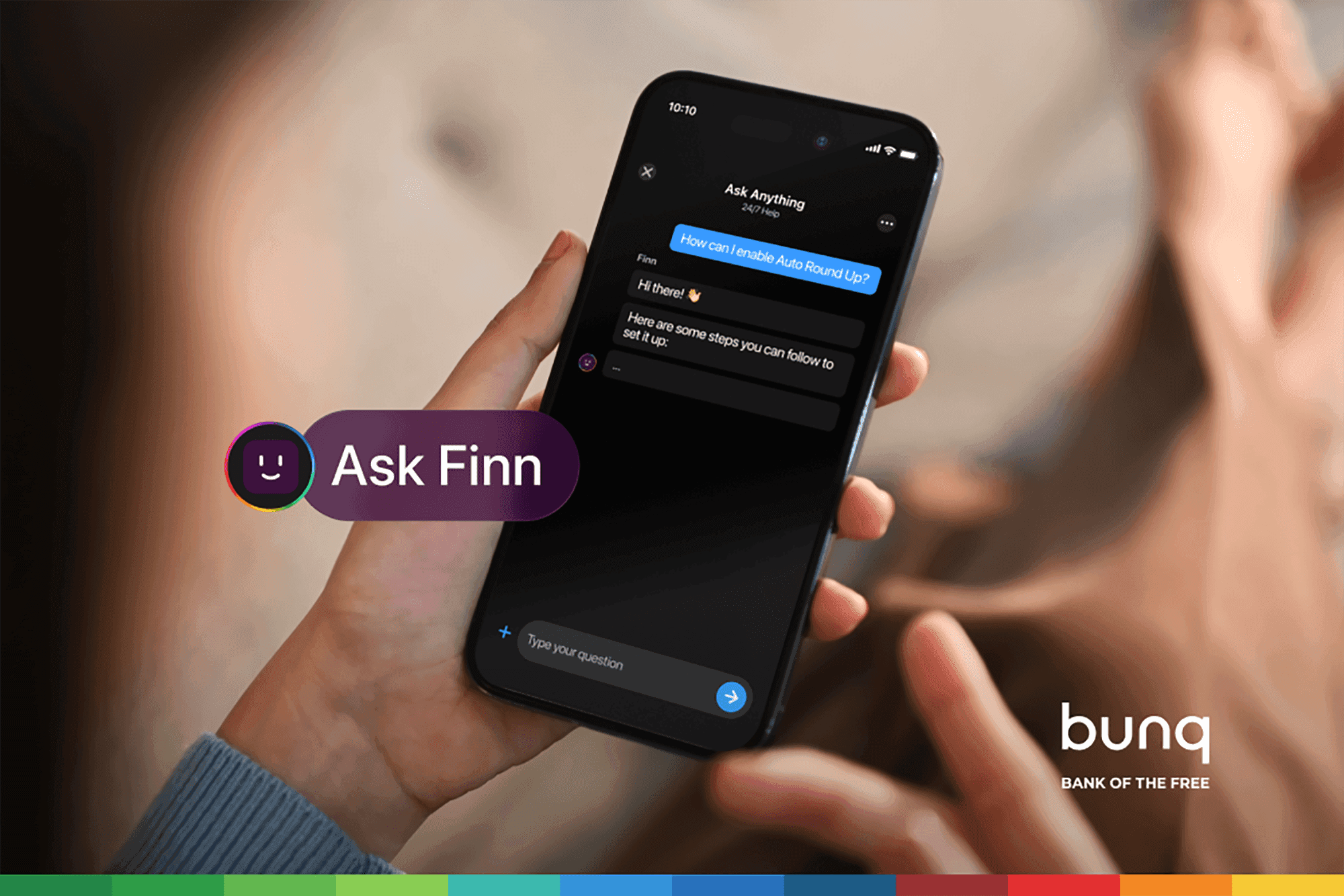
Dat is de richting die bunq uitgaat met Finn. In plaats van door menu’s te navigeren of ruwe data te moeten interpreteren, kunnen gebruikers rechtstreeks met hun financiën interageren. Ze kunnen vragen stellen, heldere antwoorden krijgen en meteen actie ondernemen op basis van die inzichten.
Dat vermindert wrijving en verhoogt de consistentie. En consistentie is wat op lange termijn voor resultaten zorgt.
Vertrouwen groeit door gebruik
Bezorgdheden rond AI in finance zijn terecht. Mensen geven om datagebruik, nauwkeurigheid en controle.
Wat het rapport wel laat zien, is dat vertrouwen groeit over tijd.
Het start op een functioneel niveau. Mensen gebruiken AI omdat het nuttig is. Ze controleren de resultaten, stellen vervolgvragen en blijven voorzichtig, zeker bij belangrijke beslissingen.
Met herhaald gebruik verandert dat. Naarmate mensen consistente resultaten zien, gaan ze er meer op vertrouwen en integreren ze het in hoe ze over financiële beslissingen nadenken.
Context speelt ook een rol. Over alle markten heen zegt 58% van de respondenten dat ze de AI van hun bank meer zouden vertrouwen dan een generieke chatbot. Mensen voelen zich comfortabeler wanneer AI gekoppeld is aan een systeem dat ze al gebruiken en begrijpen.
In de praktijk draait vertrouwen niet om controle af te nemen. Het draait om die controle te versterken. Mensen gebruiken AI om opties te verkennen, beslissingen te toetsen en vertrouwen op te bouwen voor ze actie ondernemen.
Wat echt telt
Het gesprek rond AI focust vaak op wat in de toekomst misschien mogelijk wordt. Wat belangrijker is, is wat vandaag al werkt.
De AI in Finance Report kijkt naar echt gedrag en echte resultaten. Het toont hoe mensen AI vandaag gebruiken, wat ze ervan verwachten en waar het effectief een verschil maakt.
De conclusie is eenvoudig. AI is het nuttigst wanneer het mensen helpt om hun geld beter te begrijpen en er met minder moeite naar te handelen.
Dat is wat resultaten oplevert. En dat is wat zal bepalen hoe AI zich verder ontwikkelt in finance.
Ontdek de AI in Finance Report en zie hoe mensen AI gebruiken om hun geld beter te begrijpen, beheren en laten groeien.
Deel dit bericht
Inhoudsopgave
AI in finance is niet langer iets experimenteels of niche. Het maakt intussen al deel uit van hoe mensen hun geld beheren en in veel gevallen leidt dat tot iets heel praktisch: mensen beginnen te sparen.
Wat wel steeds duidelijker wordt, is dat niet iedereen er op dezelfde manier van profiteert. Het verschil zit niet in de toegang tot AI, maar in hoe mensen het gebruiken.
Dat is een van de belangrijkste inzichten uit bunq’s AI in Finance Report. Over alle markten heen zie je hetzelfde patroon. Mensen die AI gebruiken om hun financiële situatie te begrijpen, zien betere resultaten dan mensen die het vooral gebruiken voor snelheid of automatisering. AI is het nuttigst wanneer het mensen helpt om hun geld te begrijpen, niet alleen om taken sneller af te handelen.
Duidelijkheid is nog altijd het ontbrekende stuk
De meeste mensen hebben al toegang tot hun financiële gegevens. Ze kunnen hun saldo checken, door hun transacties scrollen en hun uitgaven volgen zonder veel moeite.
Wat moeilijker blijft, is begrijpen wat die data nu precies betekent. Weten waar geld naartoe gaat, wat er veranderd is, of iets de moeite is om op te reageren, kost nog altijd tijd en aandacht. Dat is vaak het punt waarop mensen afhaken.
AI vermindert die inspanning. In plaats van transacties handmatig door te nemen, kunnen gebruikers directe vragen stellen en meteen antwoorden krijgen. Ze kunnen snel checken hoeveel ze uitgaven in een bepaalde categorie, hoe hun gedrag evolueert of waar ze misschien te veel uitgeven.
Die makkelijke toegang doet meer dan tijd besparen. Ze verandert hoe mensen de informatie gebruiken.
AI wordt minder een tool om beslissingen uit te voeren en meer een manier om ze te verkennen. Mensen gebruiken het om scenario’s te testen, opties te vergelijken en vertrouwen op te bouwen voor ze actie ondernemen. In plaats van meteen te beslissen, stellen ze extra vragen, dagen ze de resultaten uit en verfijnen ze stap voor stap hun manier van denken.
AI creëert ook een ruimte waar mensen zich comfortabeler voelen om vragen te stellen die ze elders misschien niet zouden stellen. Financiële onderwerpen kunnen gevoelig liggen en dat beperkt vaak hoe open mensen ermee omgaan. AI verlaagt die drempel. Het geeft gebruikers een manier om hun situatie uit te pluizen, verschillende invalshoeken te verkennen en zich voor te bereiden op beslissingen of gesprekken die later in hun echte leven volgen.
Hoe makkelijker dat proces wordt, hoe groter de betrokkenheid. En meer consistente betrokkenheid zorgt meestal voor betere resultaten.
De gedragsverandering is belangrijker dan de technologie
Een van de interessantere inzichten in het rapport gaat over gedrag.
Mensen hebben de neiging om veel openlijker met AI te interageren dan met traditionele financiële tools of menselijke adviseurs. Er is minder twijfel en minder nood om hun formuleringen te filteren, wat leidt tot directere vragen en diepere verkenning.
Dat zie je op simpele manieren. Mensen zijn sneller bereid om hun uitgavenpatroon in vraag te stellen, scenario’s te testen voor ze beslissen, of toe te geven dat iets niet duidelijk is. Dat gedrag zorgt voor betere input, en betere input leidt tot nuttigere output.
Dat past in een bredere verschuiving. Mensen willen niet per se méér financiële tools. Ze willen betere manieren om hun geld te begrijpen.
AI wordt stilaan de plek waar ze eerst hun vragen stellen, niet als laatste stap. In plaats van zich door data te graven en zelf alles te proberen te ontcijferen, beginnen ze met een vraag en bouwen ze daarvan verder. Dat verlaagt de drempel om met hun financiën bezig te zijn en maakt het makkelijker om het regelmatig te blijven doen.
Ander gebruik leidt tot andere resultaten
Het rapport verdeelt gebruikers in drie grote groepen, en de verschillen daartussen zijn duidelijk.
Insight Seekers gebruiken AI om hun financieel gedrag te begrijpen. Ze zoeken naar patronen, stellen vervolgvragen en proberen te verbeteren hoe ze met geld omgaan. Deze groep ziet de beste resultaten.
Time Savers gebruiken AI om wrijving te verminderen. Ze automatiseren taken en spenderen minder tijd aan administratie. Dat maakt de dingen makkelijker, maar de impact op hun spaargeld blijft beperkter.
Cost Cutters focussen op directe verminderingen in uitgaven. Ze gaan voor snelle wins zonder het grotere plaatje te bekijken en zien daardoor de minste verbetering.
Het patroon is duidelijk. Mensen die AI gebruiken om inzicht te krijgen, halen meer waarde eruit dan mensen die het enkel gebruiken om taken uit te voeren.
AI werkt het best als ondersteuning
Er wordt vaak aangenomen dat AI in finance draait om het vervangen van beslissingen. In de praktijk willen de meeste mensen dat niet.
Ze willen ondersteuning. Heldere antwoorden, relevante context en de mogelijkheid om opties te verkennen voor ze beslissen wat te doen. AI werkt het best wanneer het de inspanning rond beslissingen vermindert, zonder de controle bij de gebruiker weg te nemen.
Die balans is precies wat het nuttig maakt.
Design speelt een grotere rol dan verwacht
Hoe AI ontworpen is, heeft een directe impact op hoe mensen het gebruiken.
Als de ervaring ingewikkeld of strak aanvoelt, beperken mensen meestal hun gebruik. Ze stellen één vraag, krijgen een antwoord en gaan verder.
Als het intuïtief aanvoelt, gebruiken ze het vaker. Ze stellen vervolgvragen, verkennen verschillende invalshoeken en beginnen het te gebruiken als deel van hun normale manier van beslissen. Op termijn leidt dat tot betere resultaten.
AI moet passen bij hoe mensen al denken en communiceren. Hoe makkelijker het is om te gebruiken, hoe groter de kans dat het deel wordt van hun dagelijkse gedrag.
Van functie naar gewoonte
AI evolueert van iets dat mensen af en toe gebruiken naar iets waarop ze regelmatig rekenen.
Dat is de richting die bunq uitgaat met Finn. In plaats van door menu’s te navigeren of ruwe data te moeten interpreteren, kunnen gebruikers rechtstreeks met hun financiën interageren. Ze kunnen vragen stellen, heldere antwoorden krijgen en meteen actie ondernemen op basis van die inzichten.
Dat vermindert wrijving en verhoogt de consistentie. En consistentie is wat op lange termijn voor resultaten zorgt.
Vertrouwen groeit door gebruik
Bezorgdheden rond AI in finance zijn terecht. Mensen geven om datagebruik, nauwkeurigheid en controle.
Wat het rapport wel laat zien, is dat vertrouwen groeit over tijd.
Het start op een functioneel niveau. Mensen gebruiken AI omdat het nuttig is. Ze controleren de resultaten, stellen vervolgvragen en blijven voorzichtig, zeker bij belangrijke beslissingen.
Met herhaald gebruik verandert dat. Naarmate mensen consistente resultaten zien, gaan ze er meer op vertrouwen en integreren ze het in hoe ze over financiële beslissingen nadenken.
Context speelt ook een rol. Over alle markten heen zegt 58% van de respondenten dat ze de AI van hun bank meer zouden vertrouwen dan een generieke chatbot. Mensen voelen zich comfortabeler wanneer AI gekoppeld is aan een systeem dat ze al gebruiken en begrijpen.
In de praktijk draait vertrouwen niet om controle af te nemen. Het draait om die controle te versterken. Mensen gebruiken AI om opties te verkennen, beslissingen te toetsen en vertrouwen op te bouwen voor ze actie ondernemen.
Wat echt telt
Het gesprek rond AI focust vaak op wat in de toekomst misschien mogelijk wordt. Wat belangrijker is, is wat vandaag al werkt.
De AI in Finance Report kijkt naar echt gedrag en echte resultaten. Het toont hoe mensen AI vandaag gebruiken, wat ze ervan verwachten en waar het effectief een verschil maakt.
De conclusie is eenvoudig. AI is het nuttigst wanneer het mensen helpt om hun geld beter te begrijpen en er met minder moeite naar te handelen.
Dat is wat resultaten oplevert. En dat is wat zal bepalen hoe AI zich verder ontwikkelt in finance.
Ontdek de AI in Finance Report en zie hoe mensen AI gebruiken om hun geld beter te begrijpen, beheren en laten groeien.
Deel dit bericht
Inhoudsopgave
AI in finance is niet langer iets experimenteels of niche. Het maakt intussen al deel uit van hoe mensen hun geld beheren en in veel gevallen leidt dat tot iets heel praktisch: mensen beginnen te sparen.
Wat wel steeds duidelijker wordt, is dat niet iedereen er op dezelfde manier van profiteert. Het verschil zit niet in de toegang tot AI, maar in hoe mensen het gebruiken.
Dat is een van de belangrijkste inzichten uit bunq’s AI in Finance Report. Over alle markten heen zie je hetzelfde patroon. Mensen die AI gebruiken om hun financiële situatie te begrijpen, zien betere resultaten dan mensen die het vooral gebruiken voor snelheid of automatisering. AI is het nuttigst wanneer het mensen helpt om hun geld te begrijpen, niet alleen om taken sneller af te handelen.
Duidelijkheid is nog altijd het ontbrekende stuk
De meeste mensen hebben al toegang tot hun financiële gegevens. Ze kunnen hun saldo checken, door hun transacties scrollen en hun uitgaven volgen zonder veel moeite.
Wat moeilijker blijft, is begrijpen wat die data nu precies betekent. Weten waar geld naartoe gaat, wat er veranderd is, of iets de moeite is om op te reageren, kost nog altijd tijd en aandacht. Dat is vaak het punt waarop mensen afhaken.
AI vermindert die inspanning. In plaats van transacties handmatig door te nemen, kunnen gebruikers directe vragen stellen en meteen antwoorden krijgen. Ze kunnen snel checken hoeveel ze uitgaven in een bepaalde categorie, hoe hun gedrag evolueert of waar ze misschien te veel uitgeven.
Die makkelijke toegang doet meer dan tijd besparen. Ze verandert hoe mensen de informatie gebruiken.
AI wordt minder een tool om beslissingen uit te voeren en meer een manier om ze te verkennen. Mensen gebruiken het om scenario’s te testen, opties te vergelijken en vertrouwen op te bouwen voor ze actie ondernemen. In plaats van meteen te beslissen, stellen ze extra vragen, dagen ze de resultaten uit en verfijnen ze stap voor stap hun manier van denken.
AI creëert ook een ruimte waar mensen zich comfortabeler voelen om vragen te stellen die ze elders misschien niet zouden stellen. Financiële onderwerpen kunnen gevoelig liggen en dat beperkt vaak hoe open mensen ermee omgaan. AI verlaagt die drempel. Het geeft gebruikers een manier om hun situatie uit te pluizen, verschillende invalshoeken te verkennen en zich voor te bereiden op beslissingen of gesprekken die later in hun echte leven volgen.
Hoe makkelijker dat proces wordt, hoe groter de betrokkenheid. En meer consistente betrokkenheid zorgt meestal voor betere resultaten.
De gedragsverandering is belangrijker dan de technologie
Een van de interessantere inzichten in het rapport gaat over gedrag.
Mensen hebben de neiging om veel openlijker met AI te interageren dan met traditionele financiële tools of menselijke adviseurs. Er is minder twijfel en minder nood om hun formuleringen te filteren, wat leidt tot directere vragen en diepere verkenning.
Dat zie je op simpele manieren. Mensen zijn sneller bereid om hun uitgavenpatroon in vraag te stellen, scenario’s te testen voor ze beslissen, of toe te geven dat iets niet duidelijk is. Dat gedrag zorgt voor betere input, en betere input leidt tot nuttigere output.
Dat past in een bredere verschuiving. Mensen willen niet per se méér financiële tools. Ze willen betere manieren om hun geld te begrijpen.
AI wordt stilaan de plek waar ze eerst hun vragen stellen, niet als laatste stap. In plaats van zich door data te graven en zelf alles te proberen te ontcijferen, beginnen ze met een vraag en bouwen ze daarvan verder. Dat verlaagt de drempel om met hun financiën bezig te zijn en maakt het makkelijker om het regelmatig te blijven doen.
Ander gebruik leidt tot andere resultaten
Het rapport verdeelt gebruikers in drie grote groepen, en de verschillen daartussen zijn duidelijk.
Insight Seekers gebruiken AI om hun financieel gedrag te begrijpen. Ze zoeken naar patronen, stellen vervolgvragen en proberen te verbeteren hoe ze met geld omgaan. Deze groep ziet de beste resultaten.
Time Savers gebruiken AI om wrijving te verminderen. Ze automatiseren taken en spenderen minder tijd aan administratie. Dat maakt de dingen makkelijker, maar de impact op hun spaargeld blijft beperkter.
Cost Cutters focussen op directe verminderingen in uitgaven. Ze gaan voor snelle wins zonder het grotere plaatje te bekijken en zien daardoor de minste verbetering.
Het patroon is duidelijk. Mensen die AI gebruiken om inzicht te krijgen, halen meer waarde eruit dan mensen die het enkel gebruiken om taken uit te voeren.
AI werkt het best als ondersteuning
Er wordt vaak aangenomen dat AI in finance draait om het vervangen van beslissingen. In de praktijk willen de meeste mensen dat niet.
Ze willen ondersteuning. Heldere antwoorden, relevante context en de mogelijkheid om opties te verkennen voor ze beslissen wat te doen. AI werkt het best wanneer het de inspanning rond beslissingen vermindert, zonder de controle bij de gebruiker weg te nemen.
Die balans is precies wat het nuttig maakt.
Design speelt een grotere rol dan verwacht
Hoe AI ontworpen is, heeft een directe impact op hoe mensen het gebruiken.
Als de ervaring ingewikkeld of strak aanvoelt, beperken mensen meestal hun gebruik. Ze stellen één vraag, krijgen een antwoord en gaan verder.
Als het intuïtief aanvoelt, gebruiken ze het vaker. Ze stellen vervolgvragen, verkennen verschillende invalshoeken en beginnen het te gebruiken als deel van hun normale manier van beslissen. Op termijn leidt dat tot betere resultaten.
AI moet passen bij hoe mensen al denken en communiceren. Hoe makkelijker het is om te gebruiken, hoe groter de kans dat het deel wordt van hun dagelijkse gedrag.
Van functie naar gewoonte
AI evolueert van iets dat mensen af en toe gebruiken naar iets waarop ze regelmatig rekenen.
Dat is de richting die bunq uitgaat met Finn. In plaats van door menu’s te navigeren of ruwe data te moeten interpreteren, kunnen gebruikers rechtstreeks met hun financiën interageren. Ze kunnen vragen stellen, heldere antwoorden krijgen en meteen actie ondernemen op basis van die inzichten.
Dat vermindert wrijving en verhoogt de consistentie. En consistentie is wat op lange termijn voor resultaten zorgt.
Vertrouwen groeit door gebruik
Bezorgdheden rond AI in finance zijn terecht. Mensen geven om datagebruik, nauwkeurigheid en controle.
Wat het rapport wel laat zien, is dat vertrouwen groeit over tijd.
Het start op een functioneel niveau. Mensen gebruiken AI omdat het nuttig is. Ze controleren de resultaten, stellen vervolgvragen en blijven voorzichtig, zeker bij belangrijke beslissingen.
Met herhaald gebruik verandert dat. Naarmate mensen consistente resultaten zien, gaan ze er meer op vertrouwen en integreren ze het in hoe ze over financiële beslissingen nadenken.
Context speelt ook een rol. Over alle markten heen zegt 58% van de respondenten dat ze de AI van hun bank meer zouden vertrouwen dan een generieke chatbot. Mensen voelen zich comfortabeler wanneer AI gekoppeld is aan een systeem dat ze al gebruiken en begrijpen.
In de praktijk draait vertrouwen niet om controle af te nemen. Het draait om die controle te versterken. Mensen gebruiken AI om opties te verkennen, beslissingen te toetsen en vertrouwen op te bouwen voor ze actie ondernemen.
Wat echt telt
Het gesprek rond AI focust vaak op wat in de toekomst misschien mogelijk wordt. Wat belangrijker is, is wat vandaag al werkt.
De AI in Finance Report kijkt naar echt gedrag en echte resultaten. Het toont hoe mensen AI vandaag gebruiken, wat ze ervan verwachten en waar het effectief een verschil maakt.
De conclusie is eenvoudig. AI is het nuttigst wanneer het mensen helpt om hun geld beter te begrijpen en er met minder moeite naar te handelen.
Dat is wat resultaten oplevert. En dat is wat zal bepalen hoe AI zich verder ontwikkelt in finance.
Ontdek de AI in Finance Report en zie hoe mensen AI gebruiken om hun geld beter te begrijpen, beheren en laten groeien.
Deel dit bericht
Gerelateerde lectuur
Ontdek meer tips en verhalen van bunq.


Gerelateerde lectuur
Ontdek meer tips en verhalen van bunq.
Gerelateerde lectuur
Ontdek meer tips en verhalen van bunq.
Klaar voor makkelijker bankieren?
AI helpt mensen al geld besparen. Ontdek hoe AI voor financiële inzichten, niet alleen automatisering, leidt tot betere beslissingen en resultaten.
Klaar voor makkelijker bankieren?
AI helpt mensen al geld besparen. Ontdek hoe AI voor financiële inzichten, niet alleen automatisering, leidt tot betere beslissingen en resultaten.
Klaar voor makkelijker bankieren?
AI helpt mensen al geld besparen. Ontdek hoe AI voor financiële inzichten, niet alleen automatisering, leidt tot betere beslissingen en resultaten.