
Podróże7 minuta czytania
Wszystkie posty
Inwestowanie4 minuta czytania
Przewodnik po podatkach od kryptowalut we Francji: złóż zeznanie
bunq
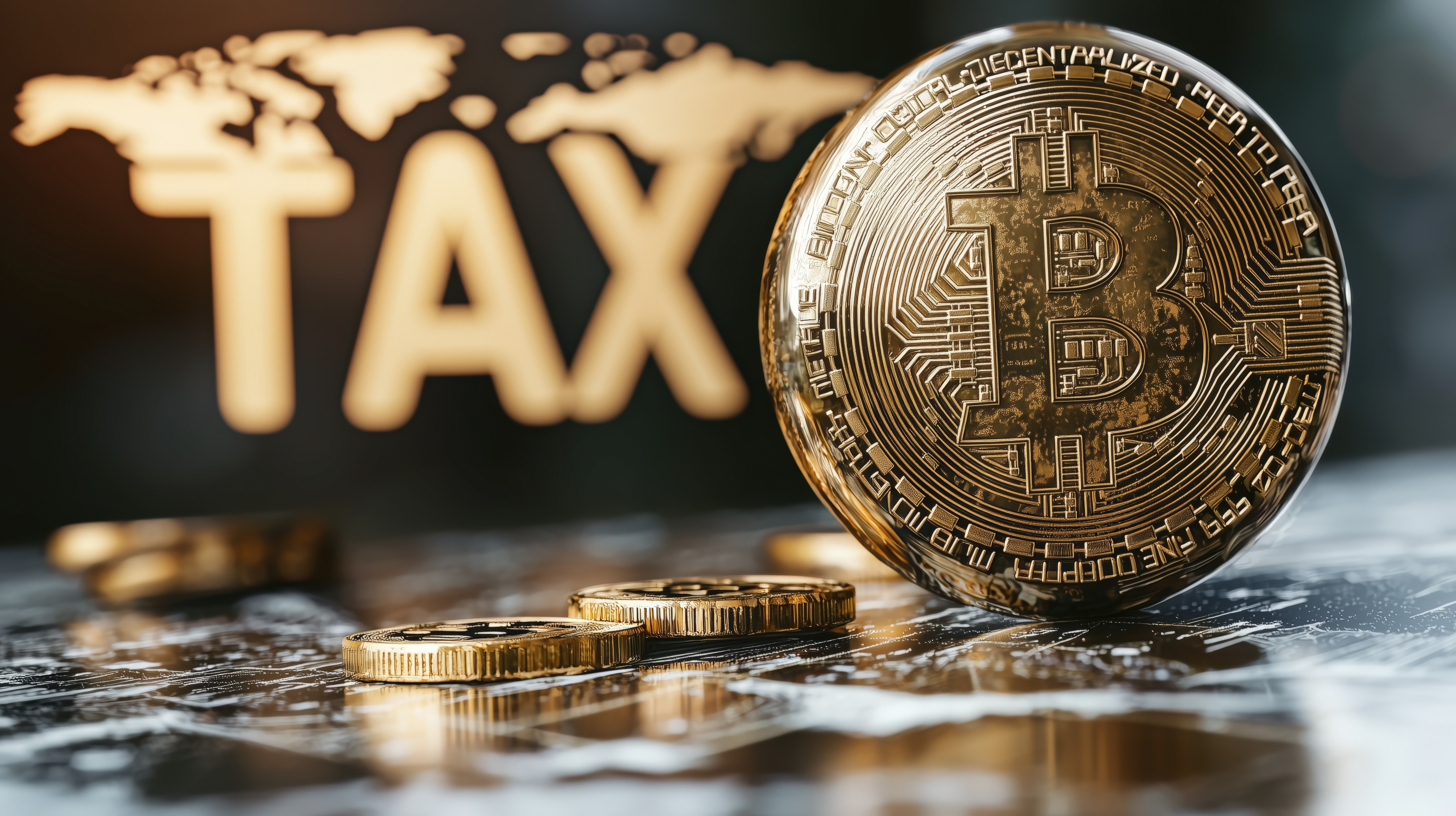
Wszystkie posty
Inwestowanie4 minuta czytania
Przewodnik po podatkach od kryptowalut we Francji: złóż zeznanie
bunq
Wszystkie posty
Inwestowanie4 minuta czytania
Przewodnik po podatkach od kryptowalut we Francji: złóż zeznanie
bunq
Spis treści
Jeśli jesteś inwestorem krypto we Francji, możesz się zastanawiać: jak dokładnie są opodatkowane zyski z kryptowalut — i kiedy muszę je zgłosić?
Nie jesteś sam. Francuski system podatkowy może wydawać się nieco skomplikowany, zwłaszcza z uwagi na zmieniające się wytyczne ze strony DGFiP. Ale spokojnie — z odpowiednimi informacjami i odrobiną pomocy od bunq, zgłoszenie swoich podatków od kryptowalut jest prostsze, niż myślisz.
Wyjaśnijmy to, abyś mógł zgłaszać się z pewnością siebie.
Czy kryptowaluty są opodatkowane we Francji?
Tak — ale zależy to od tego, jak ich używasz.
We Francji większość zysków z kryptowalut jest opodatkowana, gdy sprzedajesz je za euro. Jeśli tylko wymieniasz kryptowaluty na inne kryptowaluty albo po prostu je trzymasz, nie ma podatku. Nagrody za mining i profesjonalny trading są opodatkowane inaczej jako dochód niekomercyjny.
Prawdopodobnie zapłacisz podatek, jeśli:
Sprzedajesz kryptowaluty za fiat (EUR)
Otrzymujesz nagrody za mining
Działasz jako profesjonalny trader
Możesz zobaczyć najnowsze stawki podatku od dochodów BNC tutaj.
Co nie jest opodatkowane
Oto, co jest wolne od podatku według francuskiego prawa:
Kupowanie kryptowalut za EUR
Trzymanie kryptowalut
Przesyłanie między własnymi portfelami
Wymiana kryptowalut na inne kryptowaluty (w tym NFT lub stablecoiny)
Zarobek poniżej 305 € w całkowitej kwocie sprzedaży kryptowalut (nie netto zysków czy dochodów).
Te zwolnienia to świetny powód, aby myśleć długoterminowo i handlować z głową.
Jak zgłosić podatki od kryptowalut we Francji
Terminy podatkowe we Francji różnią się w zależności od regionu i sposobu zgłaszania, ale zazwyczaj przypadają między majem a czerwcem za poprzedni rok kalendarzowy.
Rozliczenie składa się za pomocą FranceConnect lub w formie papierowej (jeśli to ma zastosowanie). Oto jak kryptowaluty wpisują się w Twoje formularze podatkowe:
Formulaire 2042 – Główne zgłoszenie dochodu
Formulaire 2086 – Zyski kapitałowe ze sprzedaży kryptowalut za fiat
Formulaire 2042 C – Dochody z miningu lub inne niekomercyjne dochody z kryptowalut
Formulaire 3916-bis – Do deklaracji zagranicznych kont kryptowalutowych
Obowiązki zgłaszania zagranicznych kont kryptowalutowych są rygorystyczne, a kary za ich niezgłoszenie mogą być surowe
Podatek naliczany jest w zależności od Twojej aktywności:
Okazjonalni traderzy: Stały podatek 30% („PFU"/Prélèvement Forfaitaire Unique: 12,8% podatku dochodowego + 17,2% składek socjalnych)
Profesjonalni traderzy i minerzy: Opodatkowane w ramach Bénéfices Non Commerciaux (BNC), do 45%
Jeśli kwalifikujesz się, podatnicy mogą wybrać progresywne opodatkowanie zamiast PFU, jeśli ich marginalny próg podatkowy jest niższy (17,2% składek socjalnych nadal obowiązuje).
Jeśli roczna całkowita sprzedaż kryptowalut wynosi ≤ 305 €, zyski są zwolnione z podatku (nie dotyczy działalności profesjonalnej lub miningu).
Porady dotyczące zgłaszania podatków od kryptowalut
1. Śledź swoją aktywność
Przechowuj zapisy wszystkich transakcji i transferów przez cały rok. Nie czekaj do sezonu podatkowego.
2. Eksportuj wyciągi bankowe z bunq
Jeśli używałeś bunq do aktywności związanej z kryptowalutami, historia Twoich transakcji jest gotowa zawsze, gdy jej potrzebujesz:
Otwórz aplikację bunq i kliknij w swój Profil w lewym górnym rogu
Wybierz „Accounting"
Kliknij „Export Bank Statement"
Wybierz zakres dat i format pliku (PDF, CSV lub MT940)
Kliknij „Export Statement"
To zawiera wszystkie odpowiednie transakcje na Twoich kontach bankowych, co jest pomocne podczas kalkulacji deklaracji podatkowej od kryptowalut.
Odwiedź help.bunq.com po więcej informacji na ten temat.
3. Użyj lokalnego narzędzia podatkowego
Zasady podatkowe różnią się w zależności od kraju. Skorzystaj z lokalnej platformy podatkowej albo porozmawiaj z certyfikowanym doradcą, który rozumie inwestowanie w kryptowaluty w UE. To pomaga mieć pewność, że zgłaszasz poprawnie i unikasz niespodzianek.
Eksploruj kryptowaluty z bunq
Z bunq Crypto możesz kupować i zarządzać kryptowalutami bezpośrednio w swojej aplikacji bankowej — bez potrzeby korzystania z wielu platform czy dodatkowych logowań.
Zacznij inwestować już od 1 €
Użyj alertów cenowych, aby nigdy nie przegapić okazji!
Zachowaj kontrolę dzięki Safety Shield i alertom cenowym w czasie rzeczywistym
Dowiedz się więcej o bunq Crypto →
Czas rozliczeń podatkowych nie musi być trudny
Z przejrzystymi wytycznymi, sprytnymi narzędziami i wsparciem od bunq, pozostawanie zgodnym z francuskim prawem podatkowym nie musi być stresujące. Niezależnie od tego, czy dopiero zaczynasz, czy zarządzasz rosnącym portfolio, na pewno dasz radę.
Źródła:
Kraken: France Crypto Tax Guide
Service-Public.fr: Zyski kapitałowe ze sprzedaży aktywów cyfrowych (Francja)
Udostępnij ten post
Spis treści
Jeśli jesteś inwestorem krypto we Francji, możesz się zastanawiać: jak dokładnie są opodatkowane zyski z kryptowalut — i kiedy muszę je zgłosić?
Nie jesteś sam. Francuski system podatkowy może wydawać się nieco skomplikowany, zwłaszcza z uwagi na zmieniające się wytyczne ze strony DGFiP. Ale spokojnie — z odpowiednimi informacjami i odrobiną pomocy od bunq, zgłoszenie swoich podatków od kryptowalut jest prostsze, niż myślisz.
Wyjaśnijmy to, abyś mógł zgłaszać się z pewnością siebie.
Czy kryptowaluty są opodatkowane we Francji?
Tak — ale zależy to od tego, jak ich używasz.
We Francji większość zysków z kryptowalut jest opodatkowana, gdy sprzedajesz je za euro. Jeśli tylko wymieniasz kryptowaluty na inne kryptowaluty albo po prostu je trzymasz, nie ma podatku. Nagrody za mining i profesjonalny trading są opodatkowane inaczej jako dochód niekomercyjny.
Prawdopodobnie zapłacisz podatek, jeśli:
Sprzedajesz kryptowaluty za fiat (EUR)
Otrzymujesz nagrody za mining
Działasz jako profesjonalny trader
Możesz zobaczyć najnowsze stawki podatku od dochodów BNC tutaj.
Co nie jest opodatkowane
Oto, co jest wolne od podatku według francuskiego prawa:
Kupowanie kryptowalut za EUR
Trzymanie kryptowalut
Przesyłanie między własnymi portfelami
Wymiana kryptowalut na inne kryptowaluty (w tym NFT lub stablecoiny)
Zarobek poniżej 305 € w całkowitej kwocie sprzedaży kryptowalut (nie netto zysków czy dochodów).
Te zwolnienia to świetny powód, aby myśleć długoterminowo i handlować z głową.
Jak zgłosić podatki od kryptowalut we Francji
Terminy podatkowe we Francji różnią się w zależności od regionu i sposobu zgłaszania, ale zazwyczaj przypadają między majem a czerwcem za poprzedni rok kalendarzowy.
Rozliczenie składa się za pomocą FranceConnect lub w formie papierowej (jeśli to ma zastosowanie). Oto jak kryptowaluty wpisują się w Twoje formularze podatkowe:
Formulaire 2042 – Główne zgłoszenie dochodu
Formulaire 2086 – Zyski kapitałowe ze sprzedaży kryptowalut za fiat
Formulaire 2042 C – Dochody z miningu lub inne niekomercyjne dochody z kryptowalut
Formulaire 3916-bis – Do deklaracji zagranicznych kont kryptowalutowych
Obowiązki zgłaszania zagranicznych kont kryptowalutowych są rygorystyczne, a kary za ich niezgłoszenie mogą być surowe
Podatek naliczany jest w zależności od Twojej aktywności:
Okazjonalni traderzy: Stały podatek 30% („PFU"/Prélèvement Forfaitaire Unique: 12,8% podatku dochodowego + 17,2% składek socjalnych)
Profesjonalni traderzy i minerzy: Opodatkowane w ramach Bénéfices Non Commerciaux (BNC), do 45%
Jeśli kwalifikujesz się, podatnicy mogą wybrać progresywne opodatkowanie zamiast PFU, jeśli ich marginalny próg podatkowy jest niższy (17,2% składek socjalnych nadal obowiązuje).
Jeśli roczna całkowita sprzedaż kryptowalut wynosi ≤ 305 €, zyski są zwolnione z podatku (nie dotyczy działalności profesjonalnej lub miningu).
Porady dotyczące zgłaszania podatków od kryptowalut
1. Śledź swoją aktywność
Przechowuj zapisy wszystkich transakcji i transferów przez cały rok. Nie czekaj do sezonu podatkowego.
2. Eksportuj wyciągi bankowe z bunq
Jeśli używałeś bunq do aktywności związanej z kryptowalutami, historia Twoich transakcji jest gotowa zawsze, gdy jej potrzebujesz:
Otwórz aplikację bunq i kliknij w swój Profil w lewym górnym rogu
Wybierz „Accounting"
Kliknij „Export Bank Statement"
Wybierz zakres dat i format pliku (PDF, CSV lub MT940)
Kliknij „Export Statement"
To zawiera wszystkie odpowiednie transakcje na Twoich kontach bankowych, co jest pomocne podczas kalkulacji deklaracji podatkowej od kryptowalut.
Odwiedź help.bunq.com po więcej informacji na ten temat.
3. Użyj lokalnego narzędzia podatkowego
Zasady podatkowe różnią się w zależności od kraju. Skorzystaj z lokalnej platformy podatkowej albo porozmawiaj z certyfikowanym doradcą, który rozumie inwestowanie w kryptowaluty w UE. To pomaga mieć pewność, że zgłaszasz poprawnie i unikasz niespodzianek.
Eksploruj kryptowaluty z bunq
Z bunq Crypto możesz kupować i zarządzać kryptowalutami bezpośrednio w swojej aplikacji bankowej — bez potrzeby korzystania z wielu platform czy dodatkowych logowań.
Zacznij inwestować już od 1 €
Użyj alertów cenowych, aby nigdy nie przegapić okazji!
Zachowaj kontrolę dzięki Safety Shield i alertom cenowym w czasie rzeczywistym
Dowiedz się więcej o bunq Crypto →
Czas rozliczeń podatkowych nie musi być trudny
Z przejrzystymi wytycznymi, sprytnymi narzędziami i wsparciem od bunq, pozostawanie zgodnym z francuskim prawem podatkowym nie musi być stresujące. Niezależnie od tego, czy dopiero zaczynasz, czy zarządzasz rosnącym portfolio, na pewno dasz radę.
Źródła:
Kraken: France Crypto Tax Guide
Service-Public.fr: Zyski kapitałowe ze sprzedaży aktywów cyfrowych (Francja)
Udostępnij ten post
Spis treści
Jeśli jesteś inwestorem krypto we Francji, możesz się zastanawiać: jak dokładnie są opodatkowane zyski z kryptowalut — i kiedy muszę je zgłosić?
Nie jesteś sam. Francuski system podatkowy może wydawać się nieco skomplikowany, zwłaszcza z uwagi na zmieniające się wytyczne ze strony DGFiP. Ale spokojnie — z odpowiednimi informacjami i odrobiną pomocy od bunq, zgłoszenie swoich podatków od kryptowalut jest prostsze, niż myślisz.
Wyjaśnijmy to, abyś mógł zgłaszać się z pewnością siebie.
Czy kryptowaluty są opodatkowane we Francji?
Tak — ale zależy to od tego, jak ich używasz.
We Francji większość zysków z kryptowalut jest opodatkowana, gdy sprzedajesz je za euro. Jeśli tylko wymieniasz kryptowaluty na inne kryptowaluty albo po prostu je trzymasz, nie ma podatku. Nagrody za mining i profesjonalny trading są opodatkowane inaczej jako dochód niekomercyjny.
Prawdopodobnie zapłacisz podatek, jeśli:
Sprzedajesz kryptowaluty za fiat (EUR)
Otrzymujesz nagrody za mining
Działasz jako profesjonalny trader
Możesz zobaczyć najnowsze stawki podatku od dochodów BNC tutaj.
Co nie jest opodatkowane
Oto, co jest wolne od podatku według francuskiego prawa:
Kupowanie kryptowalut za EUR
Trzymanie kryptowalut
Przesyłanie między własnymi portfelami
Wymiana kryptowalut na inne kryptowaluty (w tym NFT lub stablecoiny)
Zarobek poniżej 305 € w całkowitej kwocie sprzedaży kryptowalut (nie netto zysków czy dochodów).
Te zwolnienia to świetny powód, aby myśleć długoterminowo i handlować z głową.
Jak zgłosić podatki od kryptowalut we Francji
Terminy podatkowe we Francji różnią się w zależności od regionu i sposobu zgłaszania, ale zazwyczaj przypadają między majem a czerwcem za poprzedni rok kalendarzowy.
Rozliczenie składa się za pomocą FranceConnect lub w formie papierowej (jeśli to ma zastosowanie). Oto jak kryptowaluty wpisują się w Twoje formularze podatkowe:
Formulaire 2042 – Główne zgłoszenie dochodu
Formulaire 2086 – Zyski kapitałowe ze sprzedaży kryptowalut za fiat
Formulaire 2042 C – Dochody z miningu lub inne niekomercyjne dochody z kryptowalut
Formulaire 3916-bis – Do deklaracji zagranicznych kont kryptowalutowych
Obowiązki zgłaszania zagranicznych kont kryptowalutowych są rygorystyczne, a kary za ich niezgłoszenie mogą być surowe
Podatek naliczany jest w zależności od Twojej aktywności:
Okazjonalni traderzy: Stały podatek 30% („PFU"/Prélèvement Forfaitaire Unique: 12,8% podatku dochodowego + 17,2% składek socjalnych)
Profesjonalni traderzy i minerzy: Opodatkowane w ramach Bénéfices Non Commerciaux (BNC), do 45%
Jeśli kwalifikujesz się, podatnicy mogą wybrać progresywne opodatkowanie zamiast PFU, jeśli ich marginalny próg podatkowy jest niższy (17,2% składek socjalnych nadal obowiązuje).
Jeśli roczna całkowita sprzedaż kryptowalut wynosi ≤ 305 €, zyski są zwolnione z podatku (nie dotyczy działalności profesjonalnej lub miningu).
Porady dotyczące zgłaszania podatków od kryptowalut
1. Śledź swoją aktywność
Przechowuj zapisy wszystkich transakcji i transferów przez cały rok. Nie czekaj do sezonu podatkowego.
2. Eksportuj wyciągi bankowe z bunq
Jeśli używałeś bunq do aktywności związanej z kryptowalutami, historia Twoich transakcji jest gotowa zawsze, gdy jej potrzebujesz:
Otwórz aplikację bunq i kliknij w swój Profil w lewym górnym rogu
Wybierz „Accounting"
Kliknij „Export Bank Statement"
Wybierz zakres dat i format pliku (PDF, CSV lub MT940)
Kliknij „Export Statement"
To zawiera wszystkie odpowiednie transakcje na Twoich kontach bankowych, co jest pomocne podczas kalkulacji deklaracji podatkowej od kryptowalut.
Odwiedź help.bunq.com po więcej informacji na ten temat.
3. Użyj lokalnego narzędzia podatkowego
Zasady podatkowe różnią się w zależności od kraju. Skorzystaj z lokalnej platformy podatkowej albo porozmawiaj z certyfikowanym doradcą, który rozumie inwestowanie w kryptowaluty w UE. To pomaga mieć pewność, że zgłaszasz poprawnie i unikasz niespodzianek.
Eksploruj kryptowaluty z bunq
Z bunq Crypto możesz kupować i zarządzać kryptowalutami bezpośrednio w swojej aplikacji bankowej — bez potrzeby korzystania z wielu platform czy dodatkowych logowań.
Zacznij inwestować już od 1 €
Użyj alertów cenowych, aby nigdy nie przegapić okazji!
Zachowaj kontrolę dzięki Safety Shield i alertom cenowym w czasie rzeczywistym
Dowiedz się więcej o bunq Crypto →
Czas rozliczeń podatkowych nie musi być trudny
Z przejrzystymi wytycznymi, sprytnymi narzędziami i wsparciem od bunq, pozostawanie zgodnym z francuskim prawem podatkowym nie musi być stresujące. Niezależnie od tego, czy dopiero zaczynasz, czy zarządzasz rosnącym portfolio, na pewno dasz radę.
Źródła:
Kraken: France Crypto Tax Guide
Service-Public.fr: Zyski kapitałowe ze sprzedaży aktywów cyfrowych (Francja)
Udostępnij ten post
Powiązane artykuły
Odkryj więcej porad i historii od bunq.


Powiązane artykuły
Odkryj więcej porad i historii od bunq.
Powiązane artykuły
Odkryj więcej porad i historii od bunq.
Gotowy na łatwiejszą bankowość?
kryptowaluty są opodatkowane we Francji w 2025 roku, od zysków kapitałowych po wydobycie. Jak zgłaszać i pozostawać zgodnym z przepisami.
Gotowy na łatwiejszą bankowość?
kryptowaluty są opodatkowane we Francji w 2025 roku, od zysków kapitałowych po wydobycie. Jak zgłaszać i pozostawać zgodnym z przepisami.
Gotowy na łatwiejszą bankowość?
kryptowaluty są opodatkowane we Francji w 2025 roku, od zysków kapitałowych po wydobycie. Jak zgłaszać i pozostawać zgodnym z przepisami.