
Podróże7 minuta czytania
Spis treści
Podczas płacenia online często jesteś proszony o podanie kilku danych karty: numeru karty, daty ważności i numeru CVV. To mały kod, ale odgrywa ważną rolę w zwiększaniu bezpieczeństwa płatności kartą.
CVV, skrót od card verification value, pomaga potwierdzić, że masz fizyczną kartę przy sobie, gdy wykonujesz płatność online lub przez telefon. Ten dodatkowy krok utrudnia innym korzystanie z danych twojej karty bez zgody.
Przyjrzyjmy się, czym jest numer CVV, gdzie go znaleźć i jak go chronić.
Czym jest numer CVV?
Numer CVV to 3- lub 4-cyfrowy kod bezpieczeństwa, który znajdziesz na większości kart debetowych i kredytowych. CVV oznacza card verification value, ale możesz spotkać się też z nazwami: CVV code, CVV security code, card security code albo card verification number.
Nazwa może się różnić w zależności od wydawcy karty, ale cel pozostaje ten sam: pomóc potwierdzić, że masz kartę przy sobie podczas określonych płatności.
Większość kart Visa, Mastercard i Discover używa 3-cyfrowego kodu CVV. American Express zazwyczaj korzysta z 4-cyfrowego kodu.
Co to jest CVV na karcie debetowej?
CVV na karcie debetowej to kod bezpieczeństwa używany do ochrony płatności online i zdalnych. Działa podobnie jak CVV na karcie kredytowej.
Gdy używasz karty debetowej w sklepie, zwykle potwierdzasz płatność, zbliżając, wkładając lub przeciągając kartę. Podczas zakupów online sprzedawca nie może fizycznie sprawdzić karty. Dlatego może poprosić o podanie kodu CVV.
To pomaga potwierdzić, że nie wpisujesz tylko numeru karty, ale masz też dostęp do samej karty. Do codziennych wydatków bunq Credit Cards dają ci elastyczne sposoby płatności online, w sklepach i za granicą, a pełną kontrolę masz w aplikacji.
Gdzie znajdziesz swój kod CVV?
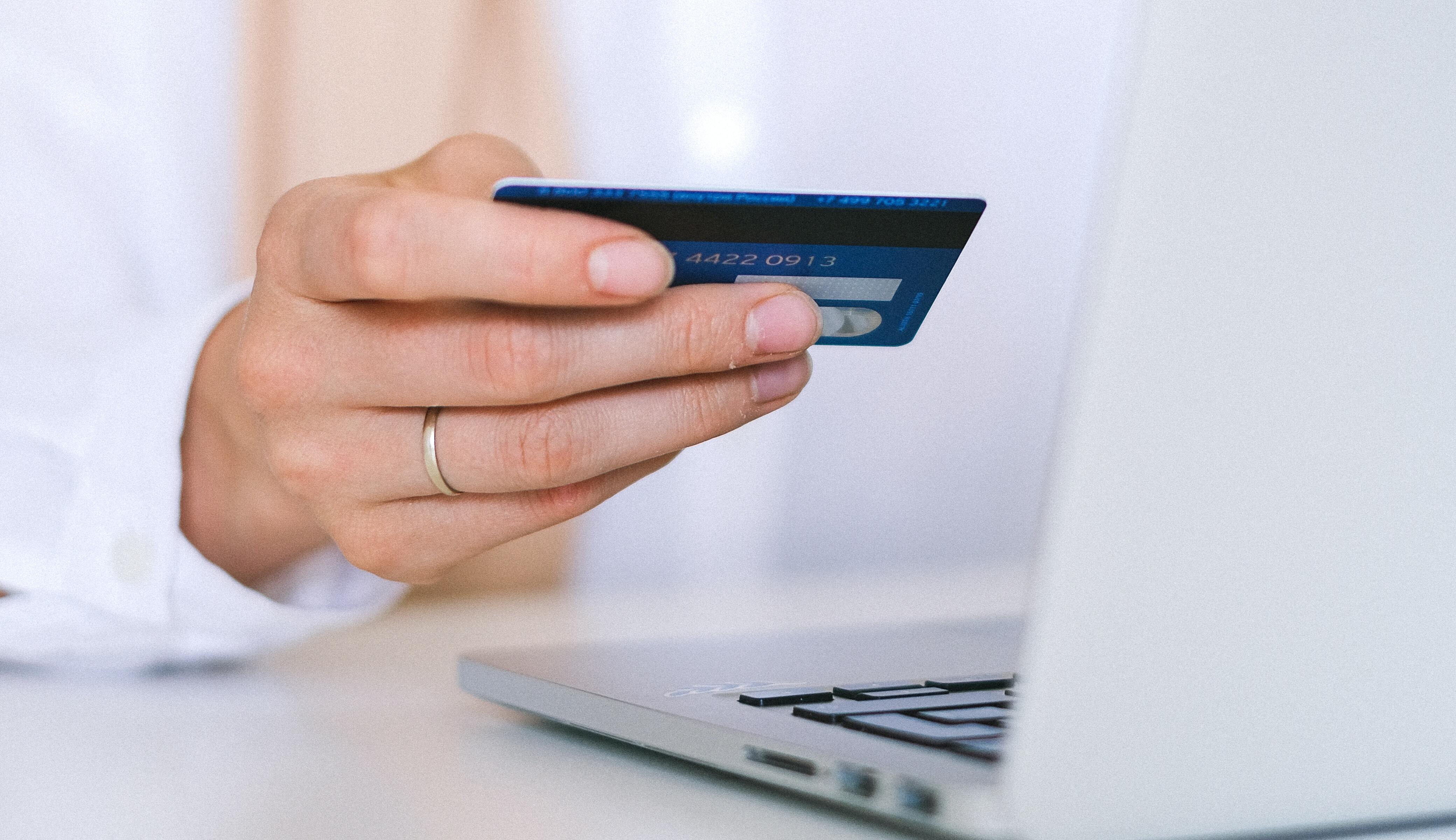
Kod CVV zwykle znajdziesz na odwrocie karty debetowej lub kredytowej, obok paska na podpis. To najczęściej 3-cyfrowy numer wydrukowany po prawej stronie.
Na niektórych kartach CVV jest z przodu. Na przykład karty American Express zwykle pokazują 4-cyfrowy kod CVV na przedniej stronie karty.
W przypadku kart wirtualnych kod CVV może być widoczny w aplikacji bankowej. W bunq twoje karty są tuż obok twoich Bank Accounts, płatności i narzędzi do budżetowania, więc zarządzanie pieniędzmi w jednym miejscu jest łatwe.
Jak działa numer CVV?
Numer CVV jest używany głównie przy płatnościach typu card-not-present. To płatności, przy których sprzedawca nie widzi fizycznie twojej karty, jak zakupy online, w aplikacji, przez telefon lub pocztą.
Kiedy sprzedawca prosi o podanie kodu bezpieczeństwa CVV, pomaga to sprawdzić, że masz kartę przy sobie. To kolejna warstwa ochrony oprócz numeru karty i daty ważności.
Numer CVV nie sprawia, że oszustwo staje się niemożliwe, ale powoduje, że skradzione dane karty są mniej przydatne same w sobie. Jeśli ktoś ma tylko numer karty i datę ważności, może zostać zablokowany przy próbie płatności, która wymaga kodu CVV.
Dlaczego twój kod bezpieczeństwa CVV jest ważny?
Twój kod bezpieczeństwa CVV jest ważny, bo pomaga chronić cię, gdy twoja fizyczna karta nie jest sprawdzana.
Pomaga w 3 obszarach:
Potwierdza, że masz kartę przy sobie
Zmniejsza ryzyko nieautoryzowanych płatności online
Dodaje dodatkową warstwę zabezpieczenia do transakcji zdalnych
Jest szczególnie przydatny przy zakupach online, subskrypcjach, rezerwacjach podróży i innych cyfrowych płatnościach, gdzie dane karty wpisujesz ręcznie. Dla jeszcze większej ochrony na co dzień, dodatkowe funkcje bezpieczeństwa bunq pomagają ci szybko zauważać aktywność i zachować kontrolę.
Czy sprzedawcy mogą przechowywać twój numer CVV?
Sprzedawcy zwykle mogą przechowywać część danych karty, jak twoje imię i nazwisko czy numer karty, jeśli pozwolisz im zapisać kartę do przyszłych płatności. Nie powinni jednak przechowywać numeru CVV po autoryzacji płatności.
Dlatego możesz być proszony o ponowne wpisanie kodu CVV, nawet jeśli strona pamięta już twoją kartę. Może wydawać się to dodatkowym krokiem, ale pomaga utrzymać szczegóły płatności w większym bezpieczeństwie.
Kiedy powinieneś używać kodu CVV?
Możesz potrzebować kodu CVV, gdy:
robisz zakupy online
płacisz w aplikacji
rezerwujesz podróż lub nocleg
ustawiasz subskrypcję
płacisz przez telefon
Zwykle nie musisz wpisywać CVV podczas płatności w sklepie stacjonarnym. W takim przypadku terminal odczytuje kartę bezpośrednio, a ty możesz potwierdzić płatność swoim PIN, odciskiem palca, rozpoznawaniem twarzy lub inną metodą uwierzytelniania.
Właśnie tutaj zabezpieczenia biometryczne mogą sprawić, że codzienne bankowanie będzie bezpieczniejsze i prostsze, zwłaszcza gdy zarządzasz pieniędzmi z telefonu.
Jak możesz chronić swój numer CVV?
Twój numer CVV jest wrażliwy, więc traktuj go tak samo jak pozostałe dane karty. Kilka prostych nawyków może zmniejszyć twoje ryzyko:
Regularnie sprawdzaj konto
Często przeglądaj swoje transakcje. Jeśli zauważysz płatność, której nie rozpoznajesz, zgłoś ją jak najszybciej.
Nie udostępniaj danych karty
Unikaj wysyłania zdjęć karty lub udostępniania kodu CVV przez SMS, e-mail czy media społecznościowe.
Korzystaj z bezpiecznych sieci
Staraj się nie wpisywać danych karty w publicznych sieciach Wi-Fi. Jeśli musisz zapłacić w podróży, korzystaj z zaufanej sieci, jeśli to możliwe.
Rób zakupy na bezpiecznych stronach
Sprawdź, czy adres strony zaczyna się od „https”, zanim wpiszesz dane płatności.
Wybieraj zaufanych sprzedawców
Jeśli sklep wygląda nieznajomo, poświęć chwilę na sprawdzenie opinii, danych kontaktowych i strony internetowej, zanim podasz informacje o karcie.
Chroń swoje urządzenia
Używaj mocnego hasła, odcisku palca lub rozpoznawania twarzy na telefonie, tablecie i laptopie.
Bądź czujny w podróży
Gdy jesteś za granicą, bezpieczeństwo karty jest jeszcze ważniejsze. Kilka prostych nawyków bezpieczeństwa w podróży pomoże chronić twoje pieniądze, gdy jesteś w drodze.
Co powinieneś zrobić, jeśli twój CVV zostanie ujawniony?
Jeśli twój numer CVV, numer karty lub pełne dane karty zostały udostępnione w niebezpiecznym miejscu, działaj szybko.
Zamroź lub zablokuj kartę, jeśli twój bank na to pozwala
Sprawdź ostatnie transakcje
Zgłoś podejrzane płatności
Skontaktuj się z bankiem lub wydawcą karty
W razie potrzeby zamów nową kartę
W bunq możesz zamrażać i zarządzać swoją kartą bezpośrednio z aplikacji, dzięki czemu szybko reagujesz, jeśli coś wygląda podejrzanie. Jeśli chcesz lepiej zrozumieć, jak działa bezpieczeństwo w bunq, temat keeping your money safe zaczyna się od prostych ustawień, pełnej przejrzystości i szybkiego działania wtedy, gdy tego potrzebujesz.
Numer CVV: mały kod, duża ochrona
Numer CVV to mały kod bezpieczeństwa, który pomaga chronić twoją kartę debetową lub kredytową przy płatnościach online i zdalnych. Potwierdza, że masz kartę przy sobie i daje sprzedawcom dodatkowy sposób na ograniczenie nieautoryzowanych transakcji.
Wiedza, gdzie znaleźć kod CVV, kiedy go używać i jak go chronić, pomoże ci robić zakupy online z większą pewnością siebie.
Chcesz mieć więcej kontroli nad tym, jak płacisz? Sprawdź bunq Credit Cards i zarządzaj kartami bezpośrednio z aplikacji bunq.
Udostępnij ten post
Spis treści
Podczas płacenia online często jesteś proszony o podanie kilku danych karty: numeru karty, daty ważności i numeru CVV. To mały kod, ale odgrywa ważną rolę w zwiększaniu bezpieczeństwa płatności kartą.
CVV, skrót od card verification value, pomaga potwierdzić, że masz fizyczną kartę przy sobie, gdy wykonujesz płatność online lub przez telefon. Ten dodatkowy krok utrudnia innym korzystanie z danych twojej karty bez zgody.
Przyjrzyjmy się, czym jest numer CVV, gdzie go znaleźć i jak go chronić.
Czym jest numer CVV?
Numer CVV to 3- lub 4-cyfrowy kod bezpieczeństwa, który znajdziesz na większości kart debetowych i kredytowych. CVV oznacza card verification value, ale możesz spotkać się też z nazwami: CVV code, CVV security code, card security code albo card verification number.
Nazwa może się różnić w zależności od wydawcy karty, ale cel pozostaje ten sam: pomóc potwierdzić, że masz kartę przy sobie podczas określonych płatności.
Większość kart Visa, Mastercard i Discover używa 3-cyfrowego kodu CVV. American Express zazwyczaj korzysta z 4-cyfrowego kodu.
Co to jest CVV na karcie debetowej?
CVV na karcie debetowej to kod bezpieczeństwa używany do ochrony płatności online i zdalnych. Działa podobnie jak CVV na karcie kredytowej.
Gdy używasz karty debetowej w sklepie, zwykle potwierdzasz płatność, zbliżając, wkładając lub przeciągając kartę. Podczas zakupów online sprzedawca nie może fizycznie sprawdzić karty. Dlatego może poprosić o podanie kodu CVV.
To pomaga potwierdzić, że nie wpisujesz tylko numeru karty, ale masz też dostęp do samej karty. Do codziennych wydatków bunq Credit Cards dają ci elastyczne sposoby płatności online, w sklepach i za granicą, a pełną kontrolę masz w aplikacji.
Gdzie znajdziesz swój kod CVV?
Kod CVV zwykle znajdziesz na odwrocie karty debetowej lub kredytowej, obok paska na podpis. To najczęściej 3-cyfrowy numer wydrukowany po prawej stronie.
Na niektórych kartach CVV jest z przodu. Na przykład karty American Express zwykle pokazują 4-cyfrowy kod CVV na przedniej stronie karty.
W przypadku kart wirtualnych kod CVV może być widoczny w aplikacji bankowej. W bunq twoje karty są tuż obok twoich Bank Accounts, płatności i narzędzi do budżetowania, więc zarządzanie pieniędzmi w jednym miejscu jest łatwe.
Jak działa numer CVV?
Numer CVV jest używany głównie przy płatnościach typu card-not-present. To płatności, przy których sprzedawca nie widzi fizycznie twojej karty, jak zakupy online, w aplikacji, przez telefon lub pocztą.
Kiedy sprzedawca prosi o podanie kodu bezpieczeństwa CVV, pomaga to sprawdzić, że masz kartę przy sobie. To kolejna warstwa ochrony oprócz numeru karty i daty ważności.
Numer CVV nie sprawia, że oszustwo staje się niemożliwe, ale powoduje, że skradzione dane karty są mniej przydatne same w sobie. Jeśli ktoś ma tylko numer karty i datę ważności, może zostać zablokowany przy próbie płatności, która wymaga kodu CVV.
Dlaczego twój kod bezpieczeństwa CVV jest ważny?
Twój kod bezpieczeństwa CVV jest ważny, bo pomaga chronić cię, gdy twoja fizyczna karta nie jest sprawdzana.
Pomaga w 3 obszarach:
Potwierdza, że masz kartę przy sobie
Zmniejsza ryzyko nieautoryzowanych płatności online
Dodaje dodatkową warstwę zabezpieczenia do transakcji zdalnych
Jest szczególnie przydatny przy zakupach online, subskrypcjach, rezerwacjach podróży i innych cyfrowych płatnościach, gdzie dane karty wpisujesz ręcznie. Dla jeszcze większej ochrony na co dzień, dodatkowe funkcje bezpieczeństwa bunq pomagają ci szybko zauważać aktywność i zachować kontrolę.
Czy sprzedawcy mogą przechowywać twój numer CVV?
Sprzedawcy zwykle mogą przechowywać część danych karty, jak twoje imię i nazwisko czy numer karty, jeśli pozwolisz im zapisać kartę do przyszłych płatności. Nie powinni jednak przechowywać numeru CVV po autoryzacji płatności.
Dlatego możesz być proszony o ponowne wpisanie kodu CVV, nawet jeśli strona pamięta już twoją kartę. Może wydawać się to dodatkowym krokiem, ale pomaga utrzymać szczegóły płatności w większym bezpieczeństwie.
Kiedy powinieneś używać kodu CVV?
Możesz potrzebować kodu CVV, gdy:
robisz zakupy online
płacisz w aplikacji
rezerwujesz podróż lub nocleg
ustawiasz subskrypcję
płacisz przez telefon
Zwykle nie musisz wpisywać CVV podczas płatności w sklepie stacjonarnym. W takim przypadku terminal odczytuje kartę bezpośrednio, a ty możesz potwierdzić płatność swoim PIN, odciskiem palca, rozpoznawaniem twarzy lub inną metodą uwierzytelniania.
Właśnie tutaj zabezpieczenia biometryczne mogą sprawić, że codzienne bankowanie będzie bezpieczniejsze i prostsze, zwłaszcza gdy zarządzasz pieniędzmi z telefonu.
Jak możesz chronić swój numer CVV?
Twój numer CVV jest wrażliwy, więc traktuj go tak samo jak pozostałe dane karty. Kilka prostych nawyków może zmniejszyć twoje ryzyko:
Regularnie sprawdzaj konto
Często przeglądaj swoje transakcje. Jeśli zauważysz płatność, której nie rozpoznajesz, zgłoś ją jak najszybciej.
Nie udostępniaj danych karty
Unikaj wysyłania zdjęć karty lub udostępniania kodu CVV przez SMS, e-mail czy media społecznościowe.
Korzystaj z bezpiecznych sieci
Staraj się nie wpisywać danych karty w publicznych sieciach Wi-Fi. Jeśli musisz zapłacić w podróży, korzystaj z zaufanej sieci, jeśli to możliwe.
Rób zakupy na bezpiecznych stronach
Sprawdź, czy adres strony zaczyna się od „https”, zanim wpiszesz dane płatności.
Wybieraj zaufanych sprzedawców
Jeśli sklep wygląda nieznajomo, poświęć chwilę na sprawdzenie opinii, danych kontaktowych i strony internetowej, zanim podasz informacje o karcie.
Chroń swoje urządzenia
Używaj mocnego hasła, odcisku palca lub rozpoznawania twarzy na telefonie, tablecie i laptopie.
Bądź czujny w podróży
Gdy jesteś za granicą, bezpieczeństwo karty jest jeszcze ważniejsze. Kilka prostych nawyków bezpieczeństwa w podróży pomoże chronić twoje pieniądze, gdy jesteś w drodze.
Co powinieneś zrobić, jeśli twój CVV zostanie ujawniony?
Jeśli twój numer CVV, numer karty lub pełne dane karty zostały udostępnione w niebezpiecznym miejscu, działaj szybko.
Zamroź lub zablokuj kartę, jeśli twój bank na to pozwala
Sprawdź ostatnie transakcje
Zgłoś podejrzane płatności
Skontaktuj się z bankiem lub wydawcą karty
W razie potrzeby zamów nową kartę
W bunq możesz zamrażać i zarządzać swoją kartą bezpośrednio z aplikacji, dzięki czemu szybko reagujesz, jeśli coś wygląda podejrzanie. Jeśli chcesz lepiej zrozumieć, jak działa bezpieczeństwo w bunq, temat keeping your money safe zaczyna się od prostych ustawień, pełnej przejrzystości i szybkiego działania wtedy, gdy tego potrzebujesz.
Numer CVV: mały kod, duża ochrona
Numer CVV to mały kod bezpieczeństwa, który pomaga chronić twoją kartę debetową lub kredytową przy płatnościach online i zdalnych. Potwierdza, że masz kartę przy sobie i daje sprzedawcom dodatkowy sposób na ograniczenie nieautoryzowanych transakcji.
Wiedza, gdzie znaleźć kod CVV, kiedy go używać i jak go chronić, pomoże ci robić zakupy online z większą pewnością siebie.
Chcesz mieć więcej kontroli nad tym, jak płacisz? Sprawdź bunq Credit Cards i zarządzaj kartami bezpośrednio z aplikacji bunq.
Udostępnij ten post
Spis treści
Podczas płacenia online często jesteś proszony o podanie kilku danych karty: numeru karty, daty ważności i numeru CVV. To mały kod, ale odgrywa ważną rolę w zwiększaniu bezpieczeństwa płatności kartą.
CVV, skrót od card verification value, pomaga potwierdzić, że masz fizyczną kartę przy sobie, gdy wykonujesz płatność online lub przez telefon. Ten dodatkowy krok utrudnia innym korzystanie z danych twojej karty bez zgody.
Przyjrzyjmy się, czym jest numer CVV, gdzie go znaleźć i jak go chronić.
Czym jest numer CVV?
Numer CVV to 3- lub 4-cyfrowy kod bezpieczeństwa, który znajdziesz na większości kart debetowych i kredytowych. CVV oznacza card verification value, ale możesz spotkać się też z nazwami: CVV code, CVV security code, card security code albo card verification number.
Nazwa może się różnić w zależności od wydawcy karty, ale cel pozostaje ten sam: pomóc potwierdzić, że masz kartę przy sobie podczas określonych płatności.
Większość kart Visa, Mastercard i Discover używa 3-cyfrowego kodu CVV. American Express zazwyczaj korzysta z 4-cyfrowego kodu.
Co to jest CVV na karcie debetowej?
CVV na karcie debetowej to kod bezpieczeństwa używany do ochrony płatności online i zdalnych. Działa podobnie jak CVV na karcie kredytowej.
Gdy używasz karty debetowej w sklepie, zwykle potwierdzasz płatność, zbliżając, wkładając lub przeciągając kartę. Podczas zakupów online sprzedawca nie może fizycznie sprawdzić karty. Dlatego może poprosić o podanie kodu CVV.
To pomaga potwierdzić, że nie wpisujesz tylko numeru karty, ale masz też dostęp do samej karty. Do codziennych wydatków bunq Credit Cards dają ci elastyczne sposoby płatności online, w sklepach i za granicą, a pełną kontrolę masz w aplikacji.
Gdzie znajdziesz swój kod CVV?
Kod CVV zwykle znajdziesz na odwrocie karty debetowej lub kredytowej, obok paska na podpis. To najczęściej 3-cyfrowy numer wydrukowany po prawej stronie.
Na niektórych kartach CVV jest z przodu. Na przykład karty American Express zwykle pokazują 4-cyfrowy kod CVV na przedniej stronie karty.
W przypadku kart wirtualnych kod CVV może być widoczny w aplikacji bankowej. W bunq twoje karty są tuż obok twoich Bank Accounts, płatności i narzędzi do budżetowania, więc zarządzanie pieniędzmi w jednym miejscu jest łatwe.
Jak działa numer CVV?
Numer CVV jest używany głównie przy płatnościach typu card-not-present. To płatności, przy których sprzedawca nie widzi fizycznie twojej karty, jak zakupy online, w aplikacji, przez telefon lub pocztą.
Kiedy sprzedawca prosi o podanie kodu bezpieczeństwa CVV, pomaga to sprawdzić, że masz kartę przy sobie. To kolejna warstwa ochrony oprócz numeru karty i daty ważności.
Numer CVV nie sprawia, że oszustwo staje się niemożliwe, ale powoduje, że skradzione dane karty są mniej przydatne same w sobie. Jeśli ktoś ma tylko numer karty i datę ważności, może zostać zablokowany przy próbie płatności, która wymaga kodu CVV.
Dlaczego twój kod bezpieczeństwa CVV jest ważny?
Twój kod bezpieczeństwa CVV jest ważny, bo pomaga chronić cię, gdy twoja fizyczna karta nie jest sprawdzana.
Pomaga w 3 obszarach:
Potwierdza, że masz kartę przy sobie
Zmniejsza ryzyko nieautoryzowanych płatności online
Dodaje dodatkową warstwę zabezpieczenia do transakcji zdalnych
Jest szczególnie przydatny przy zakupach online, subskrypcjach, rezerwacjach podróży i innych cyfrowych płatnościach, gdzie dane karty wpisujesz ręcznie. Dla jeszcze większej ochrony na co dzień, dodatkowe funkcje bezpieczeństwa bunq pomagają ci szybko zauważać aktywność i zachować kontrolę.
Czy sprzedawcy mogą przechowywać twój numer CVV?
Sprzedawcy zwykle mogą przechowywać część danych karty, jak twoje imię i nazwisko czy numer karty, jeśli pozwolisz im zapisać kartę do przyszłych płatności. Nie powinni jednak przechowywać numeru CVV po autoryzacji płatności.
Dlatego możesz być proszony o ponowne wpisanie kodu CVV, nawet jeśli strona pamięta już twoją kartę. Może wydawać się to dodatkowym krokiem, ale pomaga utrzymać szczegóły płatności w większym bezpieczeństwie.
Kiedy powinieneś używać kodu CVV?
Możesz potrzebować kodu CVV, gdy:
robisz zakupy online
płacisz w aplikacji
rezerwujesz podróż lub nocleg
ustawiasz subskrypcję
płacisz przez telefon
Zwykle nie musisz wpisywać CVV podczas płatności w sklepie stacjonarnym. W takim przypadku terminal odczytuje kartę bezpośrednio, a ty możesz potwierdzić płatność swoim PIN, odciskiem palca, rozpoznawaniem twarzy lub inną metodą uwierzytelniania.
Właśnie tutaj zabezpieczenia biometryczne mogą sprawić, że codzienne bankowanie będzie bezpieczniejsze i prostsze, zwłaszcza gdy zarządzasz pieniędzmi z telefonu.
Jak możesz chronić swój numer CVV?
Twój numer CVV jest wrażliwy, więc traktuj go tak samo jak pozostałe dane karty. Kilka prostych nawyków może zmniejszyć twoje ryzyko:
Regularnie sprawdzaj konto
Często przeglądaj swoje transakcje. Jeśli zauważysz płatność, której nie rozpoznajesz, zgłoś ją jak najszybciej.
Nie udostępniaj danych karty
Unikaj wysyłania zdjęć karty lub udostępniania kodu CVV przez SMS, e-mail czy media społecznościowe.
Korzystaj z bezpiecznych sieci
Staraj się nie wpisywać danych karty w publicznych sieciach Wi-Fi. Jeśli musisz zapłacić w podróży, korzystaj z zaufanej sieci, jeśli to możliwe.
Rób zakupy na bezpiecznych stronach
Sprawdź, czy adres strony zaczyna się od „https”, zanim wpiszesz dane płatności.
Wybieraj zaufanych sprzedawców
Jeśli sklep wygląda nieznajomo, poświęć chwilę na sprawdzenie opinii, danych kontaktowych i strony internetowej, zanim podasz informacje o karcie.
Chroń swoje urządzenia
Używaj mocnego hasła, odcisku palca lub rozpoznawania twarzy na telefonie, tablecie i laptopie.
Bądź czujny w podróży
Gdy jesteś za granicą, bezpieczeństwo karty jest jeszcze ważniejsze. Kilka prostych nawyków bezpieczeństwa w podróży pomoże chronić twoje pieniądze, gdy jesteś w drodze.
Co powinieneś zrobić, jeśli twój CVV zostanie ujawniony?
Jeśli twój numer CVV, numer karty lub pełne dane karty zostały udostępnione w niebezpiecznym miejscu, działaj szybko.
Zamroź lub zablokuj kartę, jeśli twój bank na to pozwala
Sprawdź ostatnie transakcje
Zgłoś podejrzane płatności
Skontaktuj się z bankiem lub wydawcą karty
W razie potrzeby zamów nową kartę
W bunq możesz zamrażać i zarządzać swoją kartą bezpośrednio z aplikacji, dzięki czemu szybko reagujesz, jeśli coś wygląda podejrzanie. Jeśli chcesz lepiej zrozumieć, jak działa bezpieczeństwo w bunq, temat keeping your money safe zaczyna się od prostych ustawień, pełnej przejrzystości i szybkiego działania wtedy, gdy tego potrzebujesz.
Numer CVV: mały kod, duża ochrona
Numer CVV to mały kod bezpieczeństwa, który pomaga chronić twoją kartę debetową lub kredytową przy płatnościach online i zdalnych. Potwierdza, że masz kartę przy sobie i daje sprzedawcom dodatkowy sposób na ograniczenie nieautoryzowanych transakcji.
Wiedza, gdzie znaleźć kod CVV, kiedy go używać i jak go chronić, pomoże ci robić zakupy online z większą pewnością siebie.
Chcesz mieć więcej kontroli nad tym, jak płacisz? Sprawdź bunq Credit Cards i zarządzaj kartami bezpośrednio z aplikacji bunq.
Udostępnij ten post
Powiązane artykuły
Odkryj więcej porad i historii od bunq.


Powiązane artykuły
Odkryj więcej porad i historii od bunq.
Powiązane artykuły
Odkryj więcej porad i historii od bunq.
Gotowy na łatwiejszą bankowość?
się, czym jest numer CVV, gdzie go znaleźć i dlaczego jest kluczowy dla bezpiecznych transakcji online.
Gotowy na łatwiejszą bankowość?
się, czym jest numer CVV, gdzie go znaleźć i dlaczego jest kluczowy dla bezpiecznych transakcji online.
Gotowy na łatwiejszą bankowość?
się, czym jest numer CVV, gdzie go znaleźć i dlaczego jest kluczowy dla bezpiecznych transakcji online.