
Travel7 minute read
Moving to Ireland from the US: Visas, Money, and Expat Banking
Everything US expats need to move to Ireland: visa options, cost of living, taxes, healthcare, and how to start your Irish bank account signup before you land.
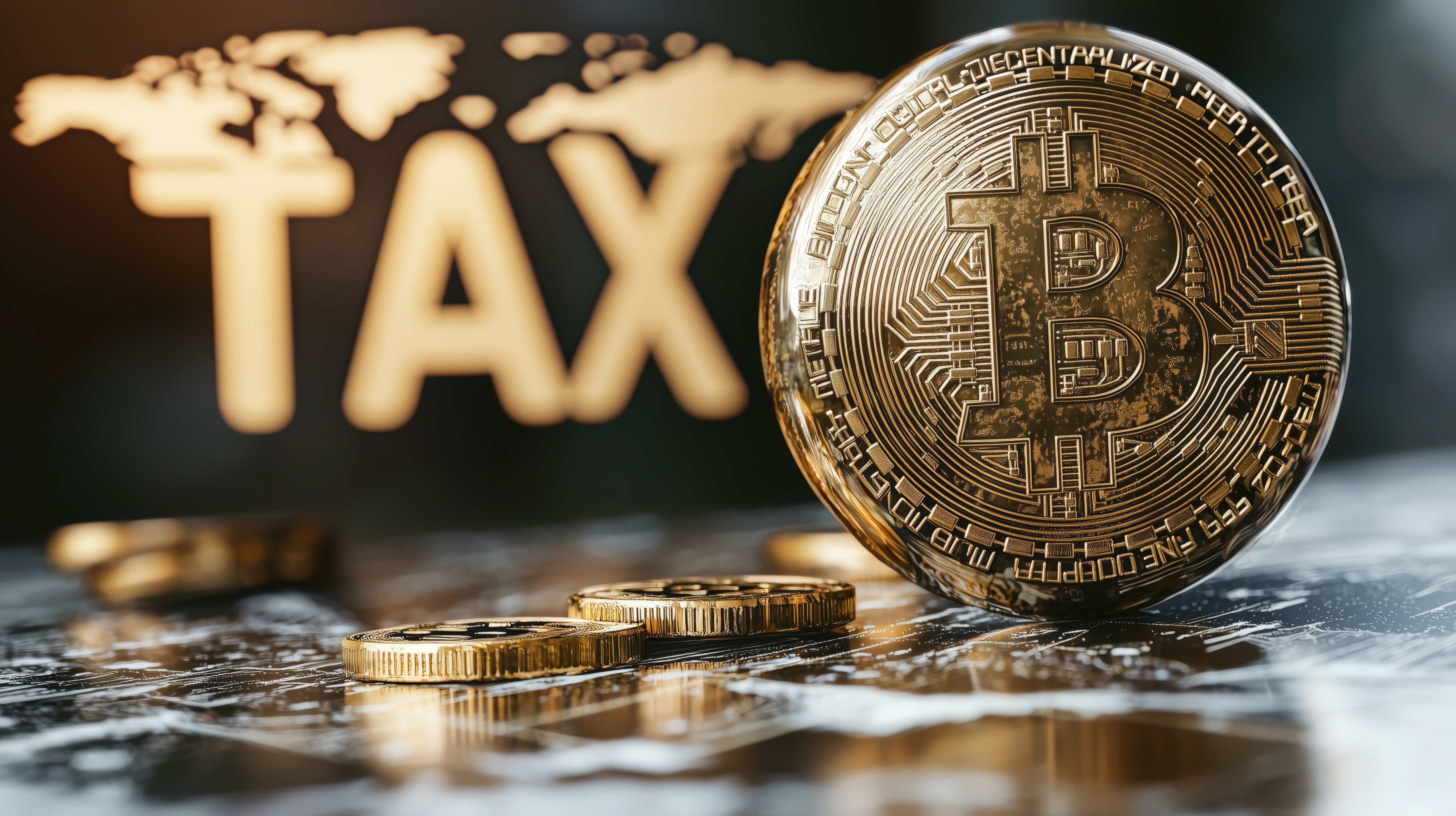
If you’re a crypto investor in France, you might be asking: how exactly are crypto profits taxed—and when do I have to report them?
You’re not alone. France’s tax system can feel a bit tricky, especially with changing guidance from the DGFiP. But don’t worry—with the right info, and a little help from bunq, reporting your crypto taxes is easier than you think.
Let’s break it down so you can file with confidence.
Yes—but it depends on how you use it.
In France, most crypto gains are taxed when you sell crypto for euros. If you’re just trading crypto for other crypto, or simply holding your assets, there’s no tax. Mining rewards and professional-level trading are taxed differently under non-commercial income.
You’ll likely pay tax if you:
Sell crypto for fiat (EUR)
Receive mining rewards
Operate as a professional trader
You can see the latest BNC Income Tax rates here.
Here’s what’s tax-free under French tax law:
Buying crypto with EUR
Holding crypto
Transferring between your own wallets
Swapping crypto for other crypto (including NFTs or stablecoins)
Earning under €305 in total amount of crypto sales proceeds (not net gains or profits).
These exemptions are a great reason to think long-term and trade smart.
French tax deadlines vary by region and how you file, but they generally fall between May and June for the previous calendar year.
You’ll file your return using FranceConnect or paper forms (if applicable). Here’s how crypto fits into your tax forms:
Formulaire 2042 – Main income declaration
Formulaire 2086 – Capital gains from selling crypto for fiat
Formulaire 2042 C – Mining income or other non-commercial crypto earnings
Formulaire 3916-bis – For declaring overseas crypto accounts
Reporting obligations for overseas crypto accounts are strict and penalties for non-disclosure can be severe
Tax is applied based on your activity:
Occasional traders: 30% flat tax (“PFU”/Prélèvement Forfaitaire Unique: 12.8% income tax + 17.2% social charges)
Professional traders and miners: Taxed under Bénéfices Non Commerciaux (BNC), up to 45%
If eligible, taxpayers can opt for progressive income taxation instead of PFU if their marginal bracket is lower (social charges of 17.2% still apply).
If total annual total crypto sales are ≤ €305, gains are tax-exempt (does not apply to professional/mining activity).
Keep records of all your trades and transfers throughout the year. Don’t wait until tax season.
If you used bunq for crypto-related activity, your transaction history is ready whenever you need it:
Open the bunq app and tap your Profile in the top left
Select ‘Accounting’
Tap ‘Export Bank Statement’
Choose your date range and file format (PDF, CSV, or MT940)
Tap ‘Export Statement’
This will include all relevant transactions across your Bank Accounts, which is helpful when calculating your crypto tax declaration.
Visit help.bunq.com for more information on this topic.
Tax rules vary by country. Use a local tax platform or speak with a certified advisor who understands crypto investing in the EU. This helps ensure you file accurately and avoid any surprises.
With bunq Crypto, you can buy and manage crypto directly in your banking app—no need for multiple platforms or extra logins.
Start investing from just €1
Use price alerts to never miss out on an opportunity!
Stay in control with Safety Shield and real-time price alerts
Learn more about bunq Crypto →
With clear guidance, smart tools, and support from bunq, staying compliant with French tax laws doesn’t need to be stressful. Whether you’re just getting started or managing a growing portfolio, you’ve got this.
Sources:
Kraken: France Crypto Tax Guide
Service-Public.fr: Capital gains on the sale of digital assets (France)
Disclaimer: Not investment advice. Crypto trading involves risk of loss. Crypto trading is provided by Payward Europe Solutions Limited t/a Kraken, authorised by the Central Bank of Ireland.
Share this post
Explore more tips and stories from bunq.
Explore more tips and stories from bunq.
Explore more tips and stories from bunq.
How crypto is taxed in France in 2025, from capital gains to mining. How to report and stay compliant.
How crypto is taxed in France in 2025, from capital gains to mining. How to report and stay compliant.
How crypto is taxed in France in 2025, from capital gains to mining. How to report and stay compliant.

