
Travel7 minute read
Moving to Ireland from the US: Visas, Money, and Expat Banking
Everything US expats need to move to Ireland: visa options, cost of living, taxes, healthcare, and how to start your Irish bank account signup before you land.
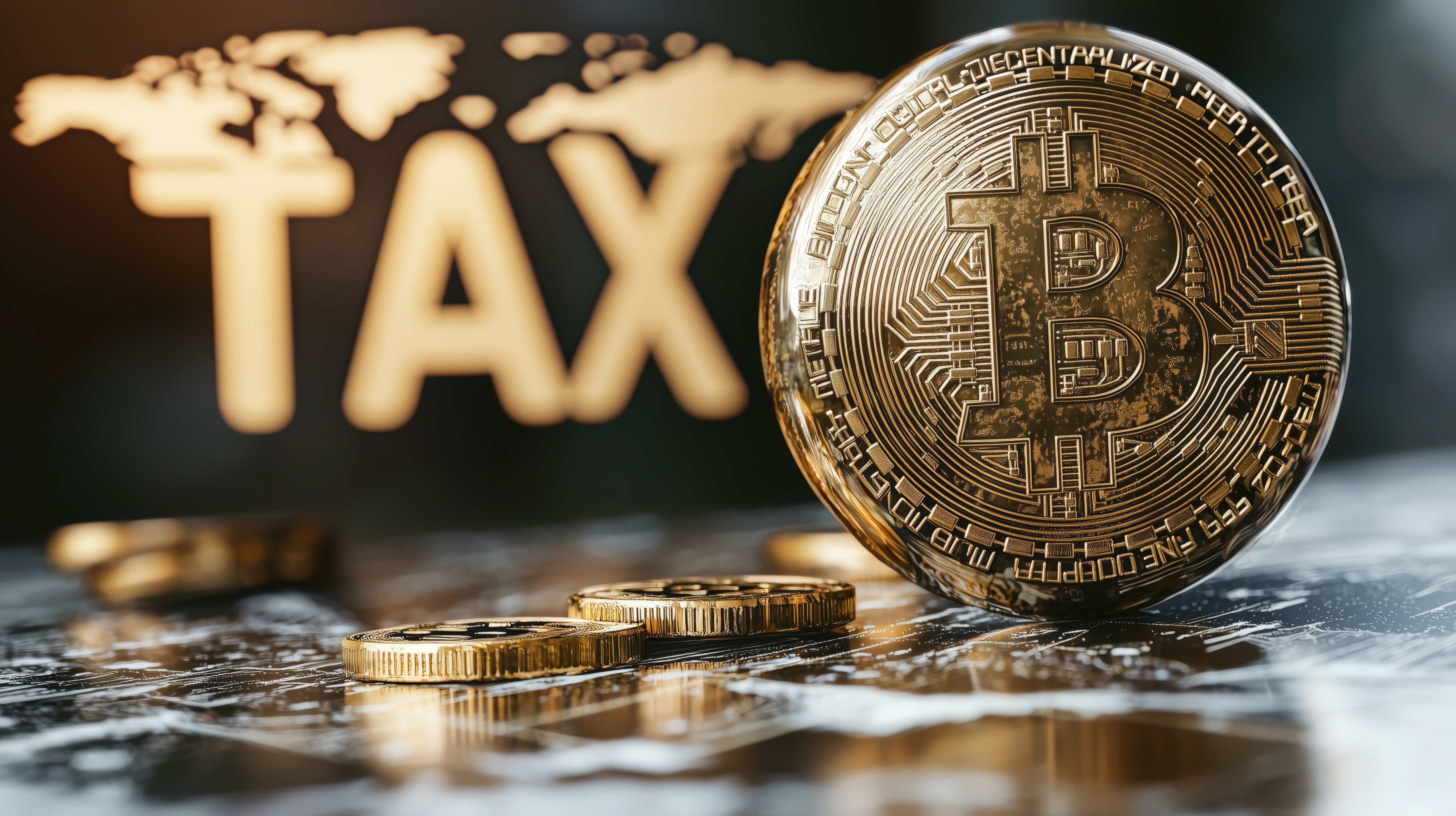
If you’ve sold or earned crypto in Spain this past year, you might be wondering: how much do I owe—and when do I need to report it?
You’re not alone. Spain’s crypto tax rules can feel overwhelming at first, but once you break them down, it’s much more manageable. And with bunq by your side, you can stay on top of your crypto finances and file with confidence.
Yes—but the type and rate of tax depend on what you did with your crypto and how much wealth you hold.
Crypto is considered a capital asset in Spain and can be taxed under:
Savings Income Tax – when you sell or trade crypto for a gain
General Income Tax – when you earn crypto (e.g., staking, mining)
Wealth Tax – if your total assets exceed the regional threshold
Inheritance & Donations Tax – for gifted or inherited crypto
Not all crypto activity is taxable in Spain. You won’t pay tax when you:
Buy crypto with EUR
Transfer crypto between your own wallets
Hold crypto (unless it triggers Wealth Tax)
The tax year runs from January 1 to December 31, and the deadline to file is June 30 of the following year.
Most people file using the AEAT’s Renta Online portal. Depending on your activity, you may need to complete different sections:
Box 1804 (F2) – Crypto sales or trades
Box 0031 (B) – Staking income
Box 0178 (D1) – Mining income
Model 721 – If you hold more than €50,000 in crypto abroad
( Model 720 is not required for crypto—but still applies to other foreign assets.)
Savings Income Tax (capital gains):
19% on profits up to €6,000
21% on €6,001–€50,000
23% on €50,001–€200,000
27% on €200,001 to €300,000
28% above €300,000
General Income Tax (earnings from crypto):
Ranges from 19% to 47%, depending on your total income bracket
Wealth Tax:
Applies in most regions if your net wealth exceeds €700,000+
Madrid and Andalusia currently offer exemptions
You’ll pay between 19% and 28% in tax depending on your total profits. You can see the latest AEAT Savings Income Tax rates here.
Keep records of all your trades and transfers throughout the year. Don’t wait until tax season.
If you used bunq for crypto-related activity, your transaction history is ready whenever you need it:
Open the bunq app and tap your Profile in the top left
Select ‘Accounting’
Tap ‘Export Bank Statement’
Choose your date range and file format (PDF, CSV, or MT940)
Tap ‘Export Statement’
This will include all relevant transactions across your Bank Accounts, which is helpful when calculating your crypto tax declaration.
Visit help.bunq.com for more information on this topic.
Tax rules vary by country. Use a local tax platform or speak with a certified advisor who understands crypto investing in the EU. This helps ensure you file accurately and avoid any surprises.
With bunq Crypto, you can buy and manage crypto without ever leaving your bank app. No extra logins, no third-party platforms.
Start investing from just €1
Use price alerts to never miss out on an opportunity!
Safety Shield and price alerts keep you informed and protected
Learn more about bunq Crypto →
Whether you’re an occasional trader, a long-term holder, or experimenting with staking and NFTs, bunq helps you stay on track and file with confidence. Spain’s tax rules might be complex—but with the right tools, staying compliant is simple.
Disclaimer: For absolute certainty or complex cases, consulting a Spanish tax professional or the AEAT directly is always advisable.
Sources:
Kraken: Spain Crypto Tax Guide
Agencia Tributaria (Spain) – Official Tax Authority Portal
Disclaimer: Not investment advice. Crypto trading involves risk of loss. Crypto trading is provided by Payward Europe Solutions Limited t/a Kraken, authorised by the Central Bank of Ireland. Staking is unregulated, involves risk of slashing, and is provided by Payward Commercial Ltd t/a Kraken. Crypto staking rewards are variable. Kraken retains 30% of staking rewards as commission; displayed APRs exclude this commission, so actual payouts are lower and may vary by coin and market conditions.
Share this post
Explore more tips and stories from bunq.
Explore more tips and stories from bunq.
Explore more tips and stories from bunq.
Need help filing crypto taxes in Spain? How to report gains, income, and stay compliant with bunq.
Need help filing crypto taxes in Spain? How to report gains, income, and stay compliant with bunq.
Need help filing crypto taxes in Spain? How to report gains, income, and stay compliant with bunq.

